
Iran drone linked to Kuwait strike that killed two Italians, says foreign minister
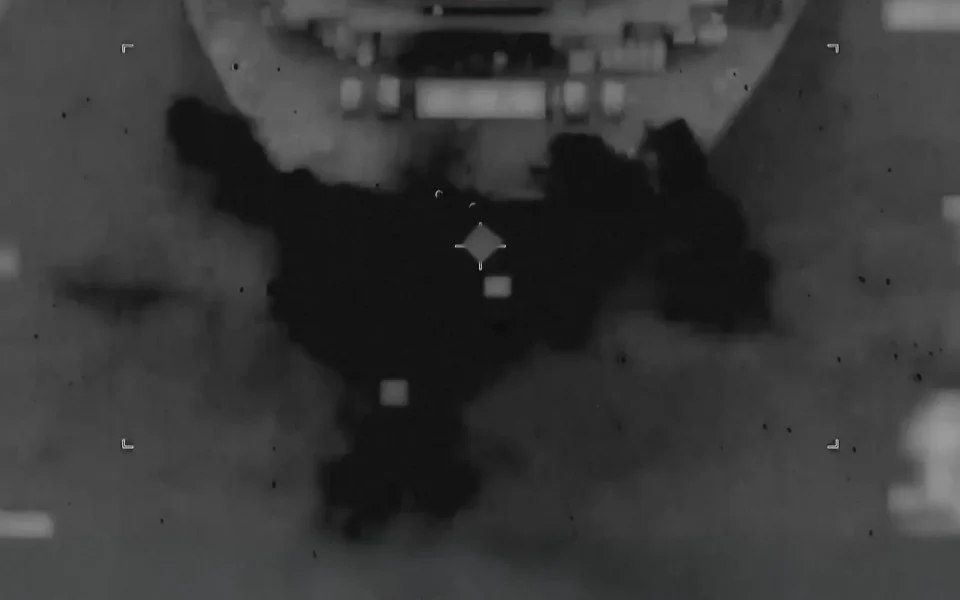
Italian Foreign Minister Antonio Tajani announced on Monday that investigations by Kuwaiti authorities have confirmed the drone involved in the fatal strike on November 26 was manufactured in Iran. The attack, which occurred over Kuwait waters and resulted in the deaths of two Italian citizens, has raised diplomatic tensions and prompted Tajani to call for a trilateral commission of inquiry that would include Italy, Kuwait and Iran. Tehran, while denying that the unmanned aircraft was launched from its territory, has offered to cooperate with the investigative body.
The incident unfolded on the evening of 26 November when a drone, later identified as an Iranian‑made model, struck a vessel in Kuwaiti jurisdiction. Two Italians on board were killed, and the incident quickly drew international attention. Kuwaiti officials, who conducted the technical analysis of the wreckage, concluded that the drone’s components matched those produced by Iranian manufacturers. Tajani, speaking to reporters in Rome, said the findings “confirm the origin of the drone and show the need for a transparent, joint fact‑finding mission.” He added that Italy would work closely with Kuwait to ensure the investigation proceeds without political interference.

Iran’s response, delivered through the Islamic Revolutionary Guard Corps (IRGC), rejected the allegation that the drone had been launched from Iranian soil. The IRGC spokesperson maintained that Iran had no operational control over the aircraft and that the claim was “unfounded.” Nevertheless, Tehran extended an invitation to join the proposed commission of inquiry, signaling a willingness to engage in a collaborative effort to ascertain the facts. Tajani welcomed the offer, noting that “the participation of all parties, including Iran, will lend credibility to the investigative process and help prevent further loss of life.”
While the focus remains on the technical origin of the drone, the broader context of regional security cannot be ignored. The Gulf region has witnessed a surge in unmanned aerial system activity over the past year, with several incidents involving alleged Iranian‑made drones targeting commercial and military vessels. The Strait of Hormuz and the adjacent Gulf waters are strategic chokepoints for global oil shipments, making any disruption particularly sensitive for energy markets and for nations with significant trade exposure, such as Italy and Kuwait.
In addition to the diplomatic maneuvering, the incident has practical implications for maritime safety protocols. Kuwait’s maritime authority has temporarily heightened surveillance of its airspace, deploying additional radar units and coordinating with neighboring Gulf states to monitor unmanned aircraft movements. The authority also announced plans to review its existing rules of engagement concerning unidentified drones, aiming to improve response times and reduce the risk of accidental engagements.
Italian authorities have taken steps to support the families of the victims. The Ministry of Foreign Affairs confirmed that consular assistance is being provided, and a dedicated liaison team is helping relatives deal with the legal and bureaucratic procedures that follow such tragedies. Tajani emphasized that the Italian government will “ensure that the bereaved families receive every possible form of assistance,” while also reiterating the nation’s commitment to seeking accountability for the attack.
The joint commission, if established, is expected to operate under a framework agreed upon by the three participating states. Its mandate would likely include forensic analysis of the drone debris, verification of flight paths, and assessment of any possible violations of international law. Experts familiar with such inquiries note that the inclusion of Iran could be a double‑edged sword: while it may provide access to technical expertise and internal records, it also raises questions about impartiality, given Tehran’s alleged involvement in the broader regional drone program.
Observers in the diplomatic community have pointed out that the timing of the incident, just weeks after a series of sanctions were imposed on Iran for its missile activities, adds a layer of complexity to the unfolding narrative. The United States, which has been actively enforcing a naval blockade around Iranian ports, recently reported disabling a vessel that attempted to breach the blockade. Although unrelated to the Kuwait strike, the U.S. action show the heightened level of naval vigilance in the region.
The IRGC’s claim that two oil tankers caught fire and exploded after striking naval mines near Oman’s Khasab port and in the eastern Strait of Hormuz further illustrates the volatile security environment. While these incidents are separate, they highlight a pattern of maritime disruptions that could affect commercial shipping routes. Analysts suggest that the convergence of mine warfare, drone attacks, and naval blockades creates a “multi‑dimensional threat” that requires coordinated international response.
As the investigation proceeds, the next steps will involve formalizing the commission’s composition, establishing a timeline for evidence gathering, and setting protocols for information sharing among the parties. Kuwait’s foreign ministry is expected to issue a formal invitation to Italy and Iran within the coming days, outlining the procedural framework. Meanwhile, the Italian government has indicated that it will appoint a senior diplomatic envoy to lead its delegation in the inquiry, ensuring that the country’s interests are adequately represented.
In the meantime, the two Italian victims remain a somber reminder of the human cost of regional tensions. Their deaths have sparked calls within Italy for a more robust security posture for its nationals abroad, especially in volatile zones. The foreign ministry has hinted at reviewing travel advisories for citizens working in the Gulf, though no official changes have been announced yet.
The unfolding diplomatic effort aims to balance the need for accountability with the practicalities of maintaining stability in a strategically critical part of the world. Whether the joint commission can deliver a conclusive report remains to be seen, but the commitment of Italy, Kuwait and Iran to a collaborative investigation marks a notable development in a region where mistrust often hinders cooperative security measures. The outcome of this inquiry will likely influence future protocols governing the use of unmanned aerial systems over international waters.














Join the conversation