
Child malnutrition Yobe families benefit from nutrition support
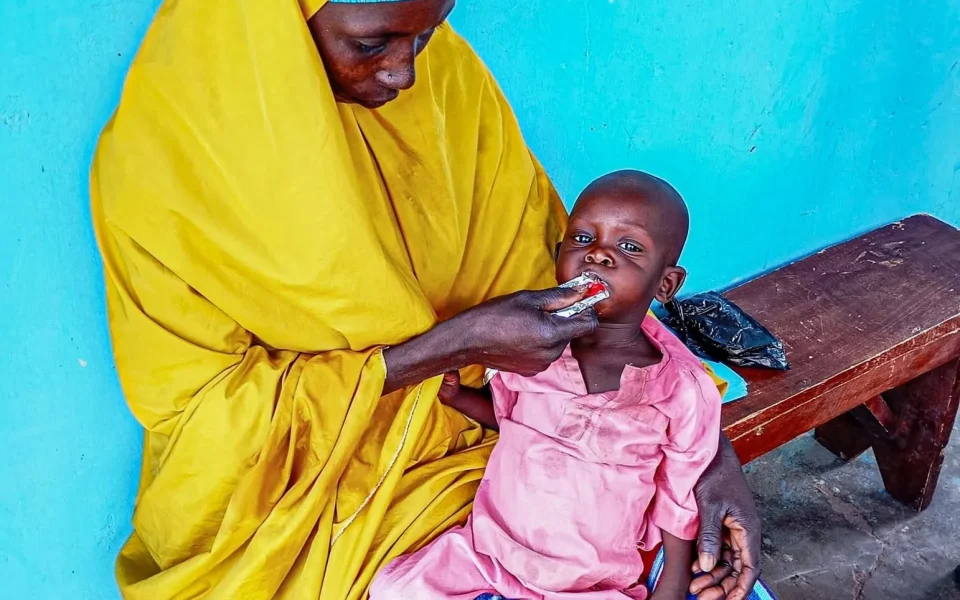
Amina Bukar took in her 16‑month‑old nephew, Modu Mustapha, after his mother died in childbirth, confronting severe child malnutrition Yobe. The boy arrived weak, severely under‑weight and in urgent need of care. With help from the Multisectoral Integrated Nutrition Action Project (MINA), run by UNICEF and partners, Modu began receiving ready‑to‑use therapeutic food and medical attention, allowing him to regain strength and now thrive, Amina said.
“I sincerely appreciate the free provision of ready‑to‑use therapeutic food as it has greatly contributed to my child’s recovery,” Amina told reporters. She recalled how daunting it was to care for a malnourished infant after the loss of his mother, but emphasized that MINA’s support turned a desperate situation into a hopeful one. “When I took him in after his biological mother passed away, he was severely malnourished and caring for him was difficult. But through the support of the MINA project, he has regained his strength and is now doing much better. I am truly grateful for this intervention,” she added.

Similar stories echo across Yobe State. Fatima Bana, mother of 20‑month‑old Adamu Bukar, described fearing she would lose him as his severe acute malnutrition worsened. After receiving therapeutic food and care, she expressed deep gratitude, saying, “I am deeply grateful to God that my son has recovered from malnutrition… today, seeing him healthy, strong and doing well again fills my heart with joy and gratitude.” These accounts illustrate the critical role of early identification and timely treatment in preventing child deaths.
In many households, women other than the biological mother assume responsibility for malnourished children. Grandmother Yagana Musa cared for Aishatu Umar after the child’s mother abandoned her. Yagana traveled from Gombe to Damaturu, where a local helper directed her to a health facility in Dikumari village. There, Aishatu received medical attention and ready‑to‑use therapeutic food. Yagana praised the hospital staff, noting, “When I complain about her condition, they give us medicine free of charge. The hospital has been supportive to us,” highlighting how community networks can bridge gaps in care.
Local officials stress that misconceptions about the causes of malnutrition impede timely treatment. Zubaida Ahmed, Nutrition Focal Person for Damaturu Local Government Area, explained that some families attribute child wasting to evil eyes or supernatural forces rather than inadequate nutrition. She urged education, stating, “We need to provide more awareness to these women that this is not something the mother did. It is not an evil eye. This is malnutrition… it is curable.” The local government also promotes exclusive breastfeeding, proper hygiene, and antenatal care to strengthen household nutrition practices.
Reaching health facilities remains a hurdle for many families in the region. Mamman Musa walked over five kilometres to the Family Support Hospital in Damaturu with his son, who suffered fever, diarrhoea, vomiting and rapid weight loss. After local remedies failed, a community leader directed them to the hospital, where the child’s condition improved quickly. The staff taught the family to use a simple measurement tape to monitor the child’s growth, a skill Mamman believes will aid future vigilance. Similar challenges were faced by Wasila Ali, whose 22‑month‑old daughter Maryam was referred to Gidan Madara for therapeutic milk after severe illness, and later recovered thanks to ready‑to‑use therapeutic food.
At the Women and Children’s Hospital, nutrition in‑charge Habibu Adamu described the outpatient therapeutic programme (OTP) that serves 50‑60 children daily. He emphasized that ready‑to‑use therapeutic food is the “backbone” of the programme, allowing caregivers to receive weekly supplies and progress checks over eight to twelve weeks. Adamu warned that without such treatment, malnutrition can stunt physical and cognitive development and increase disease susceptibility. Home‑based follow‑up visits, he noted, are essential for reinforcing proper use of therapeutic foods and ensuring sustained recovery.
UNICEF’s nutrition specialist Dr. Nwogu Kelechukwu highlighted that insecurity and economic hardship in the North‑East limit families’ ability to provide balanced meals. The MINA project therefore couples emergency therapeutic food with nutrition education, encouraging mothers to combine local staples, carbohydrates, proteins, dairy and micronutrient‑rich foods, in daily diets. He also promoted backyard gardens for leafy vegetables, offering a low‑cost way to improve household nutrition despite limited incomes. Such measures aim to shift reliance from short‑term aid toward lasting dietary diversity.
The stories of Modu, Adamu, Aishatu, Maryam and others demonstrate how coordinated treatment, community support and targeted education can reverse the trajectory of child malnutrition Yobe. Yet the broader challenges of poverty, displacement, harmful beliefs and limited access to services persist. Dr. Kelechukwu reported that MINA has treated over 200,000 children, delivered more than five million vitamin A doses and counseled close to 800,000 women on detecting danger signs. The next phase will focus on maintaining supply chains, expanding community screening and reinforcing household feeding practices to keep recovering children healthy once they leave the clinic.














Join the conversation