
N10bn Fund Targeted at Broad Disease Preparedness, Says NCDC Director
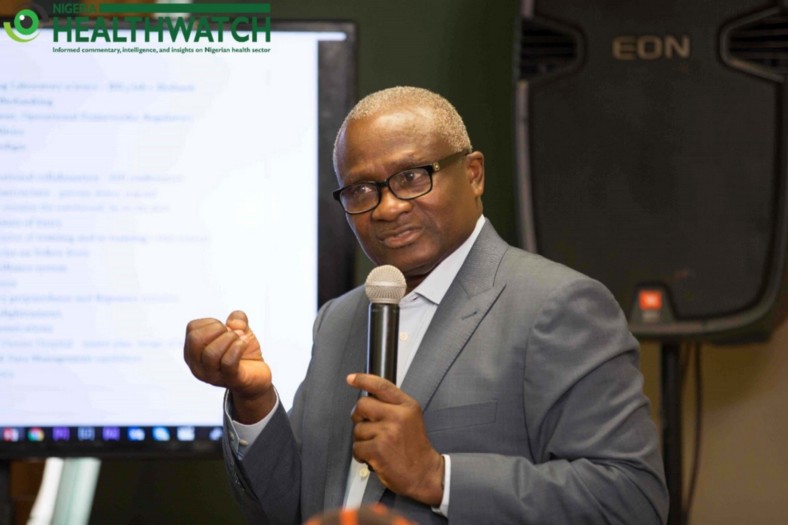
The Director‑General of the Nigeria Centre for Disease Control, Dr Jide Idris, told reporters on Sunday, October 25, 2026, that the controversial n10bn fund approved by President Bola Tinubu was intended to bolster the country’s preparedness for a range of epidemic‑prone illnesses, not solely Ebola Virus Disease. Speaking at a press conference in Abuja, Idris said the emergency intervention money was released directly to the NCDC and will support prevention, early detection and rapid response to threats such as Lassa fever, cholera, meningitis, diphtheria, measles, monkeypox and antimicrobial resistance.
He began by placing the n10bn allocation in the context of Nigeria’s broader health‑security strategy. The National Action Plan for Health Security, which runs from 2025 to 2029, is budgeted at roughly N522 billion over five years. “That translates to an average annual requirement of N104.4 billion, meaning the n10bn intervention represents only about two per cent of the plan’s average yearly cost,” Idris said, underscoring the gap between current spending and the level required for robust health security. With a population exceeding 240 million, the director‑general stressed that sustained investment from the federal and state governments, as well as development partners, is essential to protect citizens from epidemic threats.
Idris provided a quick look at how the NCDC’s budget has evolved in recent years. The agency’s core allocation rose from N4 billion in 2024 to N7 billion in 2025. That year also saw a separate N5 billion intervention fund, and the 2026 appropriations now total N22 billion. The additional n10bn was approved in June 2026 after the Ebola outbreak in the Democratic Republic of Congo heightened global concerns. “The request was never restricted to Ebola but covered the broader national health security agenda,” he affirmed, pointing to the fund’s role in strengthening ongoing work that had already mobilised resources from government and partners.
The director‑general warned that the public debate surrounding the n10bn fund should shift from political controversy to the urgent need for sustainable investment. Citing the Global Preparedness Monitoring Board, he said a country needs between US$1 and US$2 per person each year to be acceptably prepared for epidemics. For Nigeria, that range works out to US$240 million‑US$480 million annually. “Sustained investment from government, states and partners will close that gap,” he asserted, noting that under‑funding often stems from a preference for visible, short‑term interventions over long‑term health‑security measures.
Addressing the recent Ebola situation, Idris confirmed that Nigeria recorded its first imported case of the Bundibugyo strain of Ebola virus disease, with laboratory confirmation made on October 20, 2026, within 24 hours of receiving the alert in Abuja. He reassured the public that there was no active case in the country at the time of his statement, and that identified contacts were under daily surveillance. The monitoring will continue until the final contact completes the mandatory 21‑day observation period without developing symptoms, and no new cases have emerged.
Idris dismissed calls for postponing elections, restricting travel or imposing a blanket ban on mass gatherings, saying the current situation does not warrant such drastic measures. Instead, the NCDC has drafted technical guidelines for organisers of large events, urging strict adherence to infection prevention and control protocols to allow gatherings to proceed safely. He appealed to Nigerians to avoid spreading unverified information, warning that misinformation and politicisation of public health emergencies could erode confidence and jeopardise response efforts.
The director‑general also highlighted the importance of integrating the n10bn fund into the wider disease‑prevention agenda. While the money will be channelled to immediate priorities such as enhancing surveillance systems, expanding laboratory capacity, and training rapid‑response teams, it is only a stepping stone toward meeting the full financing needs of the National Action Plan. He called on the federal government and development partners to consider the long‑term benefits of robust health security, emphasizing that the cost of failing to prepare for disease outbreaks could far exceed the expense of preventive investment.
In Nigeria, health‑security challenges are not new. Past outbreaks of Lassa fever and cholera have repeatedly exposed gaps in early detection and response, prompting calls for stronger coordination between federal and state health agencies. The n10bn fund, although modest relative to the total plan, signals a willingness by the executive to allocate resources specifically for epidemic preparedness, a shift from earlier spending patterns that favoured curative programmes.
Looking ahead, Idris indicated that the NCDC will continue to mobilise the n10bn fund to support its broader disease‑prevention agenda while advocating for additional financing to meet the full needs of the National Action Plan. He urged the government and development partners to consider the long‑term benefits of robust health security, emphasizing that the cost of failing to prepare for disease outbreaks could far exceed the expense of preventive investment. The director‑general concluded by saying the next step is to ensure that the allocated resources are swiftly deployed to strengthen surveillance, laboratory capacity and rapid response mechanisms across the country.














Join the conversation