
Gas standing charges scrapped for millions of homes
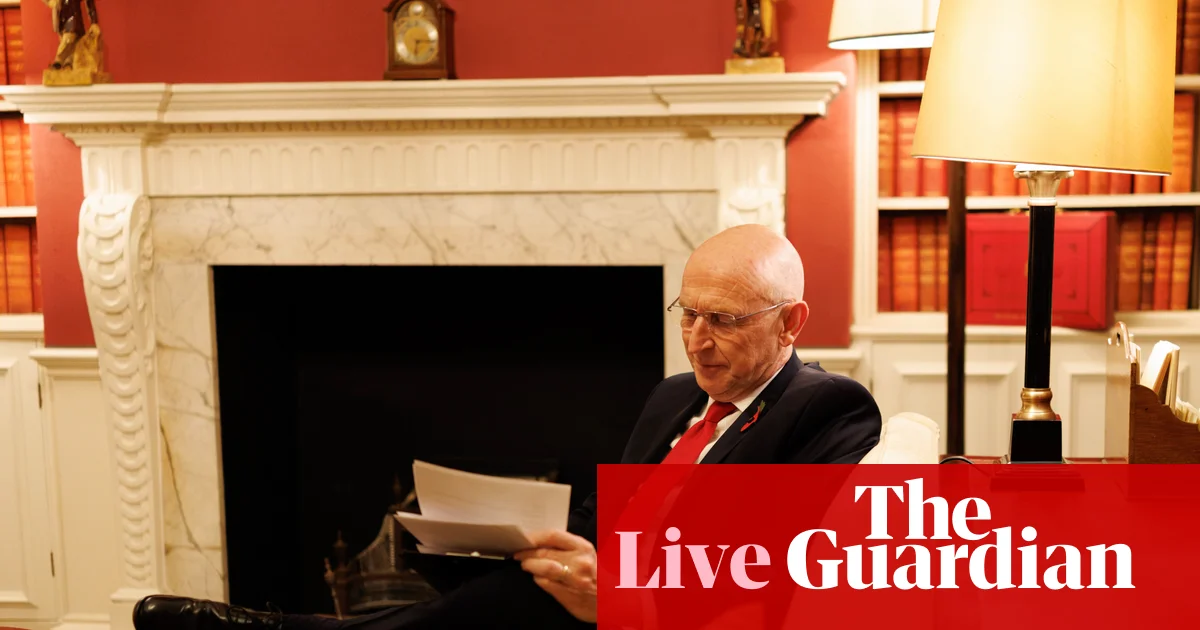
John Healey’s budget statement this afternoon confirmed that gas standing charges will be abolished for around 23 million homes, a policy change the Treasury says could cut annual bills by about £45 for the majority of account‑holding families. The announcement came after Prime Minister Andy Burnham’s early‑morning cabinet briefing, where the chancellor was urged to address the cost‑of‑living squeeze that has been gripping the nation.
The decision, outlined in a Treasury release at 7 a.m., frames the charge removal as an “unfair and outdated practice”. Currently, a typical household pays roughly £108 a year in fixed standing charges on its gas bill. By shifting those costs onto the unit rate, the price paid per kilowatt hour, the government expects a 60 percent reduction in the charge component for most consumers, translating into an average saving of £45 per year. Healey will ask the energy regulator Ofgem to implement the change by 2027 or as soon as practicable thereafter.
Burnham, who took office promising to move away from four decades of neoliberal policy, described the move as evidence of his “determined to reform our broken energy market” agenda. Healey echoed that sentiment, declaring his budget would “draw a line in the sand on an energy policy that has failed British billpayers for years”. Both leaders presented the measure as a first step toward a broader overhaul, even as critics note the modest size of the saving compared with the scale of the current crisis.
The budget, scheduled for delivery at 12.30 p.m., follows a tightly packed day of parliamentary business. After a 8.45 a.m. cabinet meeting chaired by Burnham, the prime minister will face Kemi Badenoch in the usual Prime Minister’s Questions session at noon. Once Healey’s statements are on the floor, Badenoch is set to respond, with other MPs expected to weigh in throughout the afternoon debate. The Office for Budget Responsibility’s chair, Jonathan Haskel, will hold a press briefing at 2.30 p.m., and later, Reform UK leader Nigel Farage and Treasury spokesperson Robert Jenrick will offer their reactions at 3.30 p.m.
Industry observers see the removal of standing charges as a low‑risk, politically palatable move that avoids the more radical reforms some on the left have been urging. While the savings per household are modest, the policy could provide immediate relief to families still grappling with rising energy costs and the lingering effects of global price shocks. Energy analysts note that moving fixed costs onto the unit price may slightly increase per‑unit rates, but the net effect should still be a reduction in total annual spend for most users.
For many households, especially those on tight budgets, the change could free up a small but meaningful portion of disposable income. Consumer groups have welcomed the announcement, pointing out that even a £45 reduction can help cover other essential expenses. However, they also stress that a comprehensive solution will require deeper structural changes to the market, including more competition and greater investment in renewable sources.
The Treasury’s statement emphasized that the reform is part of a broader “fresh hope for the future” narrative, aligning with Burnham’s pledge to give people “breathing space today”. The chancellor’s broader budget is expected to include other measures aimed at cushioning the cost‑of‑living crisis, though details remain to be seen. Analysts will be watching for any further tax adjustments, support schemes, or investment incentives that could complement the gas charge removal.
Political reactions are already shaping up. Labour MPs have praised the step as a “welcome relief for families”, while opposition parties caution that the move does not go far enough. The Reform UK leader, Nigel Farage, is slated to criticize the budget as insufficient, arguing that deeper market reforms are needed to protect consumers from future price volatility. Treasury spokesperson Robert Jenrick is expected to defend the policy, highlighting its immediate impact and the government’s commitment to rolling out additional energy‑saving initiatives.
As the day progresses, the public will gauge the real‑world impact of the charge removal once Ofgem begins the technical rollout. The regulator will need to adjust billing systems across the country, a process that may take several months before households see the reduced figures on their statements. In the meantime, the government’s communications team plans a series of information campaigns to ensure consumers understand how the change works and where the savings will appear on their bills.
The budget’s final outcome will hinge on the parliamentary debate that follows Healey’s speech. If the opposition raises concerns about the timing or the potential shift of costs onto unit rates, amendments could be proposed. However, with Burnham’s cabinet backing and the chancellor’s clear framing of the measure as a necessary step toward market reform, the likelihood of the policy passing without major alteration appears strong.
The next major milestone will be Ofgem’s formal directive, expected later this year, which will set the exact timeline for the removal of standing charges. Stakeholders, from utility companies to consumer watchdogs, will be monitoring that process closely, ready to respond to any implementation challenges. For now, millions of British households can anticipate a modest but tangible reduction in their gas bills as the new policy takes effect.

Reporter at 03naija.com.











Join the conversation