
Central bank reforms praised for stabilising Nigeria’s economy
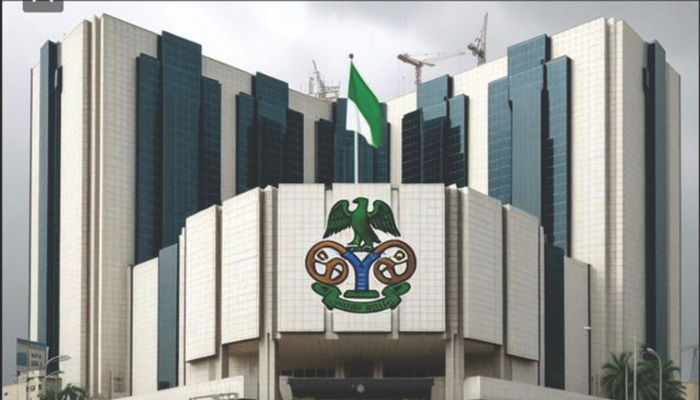
Central bank reforms
The finance minister, Taiwo Oyedele, and the coordinating minister of the economy hailed the central bank reforms on Thursday, saying the Central Bank of Nigeria (CBN) has acted like a gyro‑stabiliser for the nation’s financial system. Oyedele highlighted the recent surge in foreign reserves and a US$5 billion balance‑of‑payments surplus projected for 2025 as evidence that the reforms are restoring confidence. He added that while challenges remain, the CBN’s actions have already begun to steady the macro‑economic environment.
Former CBN governor and now Emir of Kano, Sanusi Lamido Sanusi, echoed the minister’s sentiment, stating, “I have nothing but positive words for what CBN has done.” His endorsement carries weight given his long tenure at the bank and his continued influence in economic circles. The emir’s praise show the broad acceptance of the bank’s policy shift among both policymakers and traditional leaders.
International observers have also taken note. The World Bank described the CBN’s recent measures as “bold, credible and necessary,” singling out monetary tightening, the clearing of the foreign‑exchange backlog and the move to a unified exchange rate. In a statement, the bank’s Managing Director of Operations, Anna Bjerde, called Nigeria “a global example of credible and consistent reform leadership.” Such commendations are rare for an emerging market and signal growing external confidence.
Governor Olayemi Cardoso reiterated the bank’s commitment to transparency and consistency, noting that the CBN will continue to follow the policy direction set out at the start of the reform agenda. She emphasized that the central bank’s aggressive fight against inflation and the transition from a multiple to a single exchange‑rate regime are central to sustaining macro‑economic stability. Cardoso warned that any deviation from these principles could undo the gains already made.
The shift to a unified exchange rate has been a cornerstone of the reform package. Under the previous multiple‑rate system, businesses faced distortions, rent‑seeking opportunities and speculative attacks that often led to loss of foreign reserves. Analysts point out that such a regime can fuel long‑term inflation when governments are forced to print naira to cover foreign‑currency deficits. By consolidating rates, the CBN has removed these inefficiencies and made dollar access more predictable.
Business leaders have felt the impact directly. Abdul Samad Rabiu, chairman of the BUA Group, told reporters that he no longer needs to make “pilgrimages” to the central bank every two weeks. “Today, I hardly need to go to CBN,” he said, adding that firms can now obtain dollars at the prevailing market rate rather than rely on ad‑hoc allocations. This ease of access is expected to improve planning and investment decisions across the private sector.
The new regime has also helped rebuild the nation’s foreign‑exchange cushion. Reserves have climbed to about US$55.1 billion, a figure that gives the CBN more room to intervene when needed and reduces pressure on the naira. Experts note that higher reserves lower the risk of a balance‑of‑payments crisis and provide a buffer against external shocks, such as commodity price swings or global interest‑rate hikes.
Beyond reserves, the reforms have contributed to a healthier external position. The balance‑of‑payments surplus projected for 2025 reflects a combination of improved export earnings, remittances and reduced import‑related outflows. This surplus, together with the stabilising effect of the unified exchange rate, is expected to support the central bank’s ongoing anti‑inflation drive, which aims to bring headline inflation back within the government’s target range.
While the outlook appears promising, officials caution that coordination between fiscal and monetary authorities remains essential. The finance ministry and the CBN must align their policies to translate macro‑economic gains into tangible benefits for ordinary Nigerians. This includes ensuring that lower inflation and stronger reserves translate into lower borrowing costs and more jobs in the private sector.
The reforms have also drawn attention to the broader challenges facing Nigeria’s economy. Critics argue that without complementary structural reforms, such as improving tax collection and diversifying away from oil dependence, the gains may be fragile. Nevertheless, the current consensus among policymakers and international partners is that the central bank reforms have set a solid foundation for future growth.
Looking ahead, Governor Cardoso said the CBN will keep pushing policies that promote private‑sector expansion and create high‑quality employment. She promised continued transparency in policy implementation and urged both the government and the business community to maintain the momentum. As the reforms mature, the central bank’s role as the economy’s gyro‑stabiliser will be closely watched by investors and citizens alike.

The telling moment of the nature












Join the conversation