
Lawrence‑Algeria friendship forged by World Cup hospitality
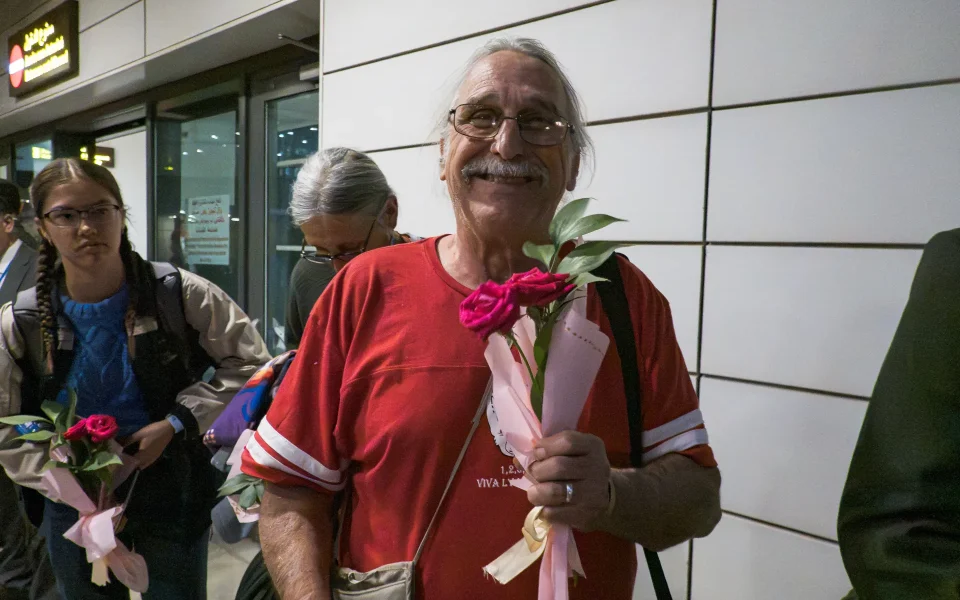
The World Cup’s stop in Lawrence, Kansas, sparked a “lawrence algeria” friendship that has deepened months after the tournament ended, said Tommee Sherwood, a 70‑year‑old retired university custodian who was among 38 residents invited to Algeria by President Abdelmadjid Tebboune. Sherwood and his fellow visitors travelled to Algiers from 9 to 15 November, a trip fully funded by the Algerian government as a thank‑you for the warm welcome the North African team received in the Mid‑Midwest city.
Sherwood, who also volunteers as an English teacher for refugees, recalled arriving on a boat in the Bay of Algiers where a DJ spun old jazz tunes that reminded him of Kansas City musicians he once knew. He gifted the DJ a small token and later received three vintage 45‑rpm records of Algerian singers, a gesture he described as priceless. “I never imagined the World Cup would open such possibilities for cultural exchange,” he told Al Jazeera.

Lawrence’s embrace of the Algerian squad was visible across the city. Massachusetts Street displayed Algerian flags, while large outdoor screens broadcast every Algeria‑United States match. The University of Kansas band performed the Algerian national anthem before the team’s training sessions, and local residents turned storefronts into informal fan zones, creating a festive atmosphere that resonated with the visiting supporters.
Algeria’s participation in the tournament had been hampered by a $10,000 visa bond, limiting the number of Algerians who could travel. Yet the Algerian diaspora in the United States, estimated at roughly 50,000, flocked to Lawrence in large numbers, reinforcing the town’s vibrant multicultural vibe. Saajida Andalsi, a 24‑year‑old Algerian who had not returned home in 15 years, acted as an informal bridge during the event. She recalled her mother’s words: “I didn’t go to Algeria. Algeria came to me,” noting that Lawrence felt “like a city in Algeria.”
In July 2026, President Tebboune formalised the growing ties by ordering a twinning agreement between the Algerian coastal town of Tipaza and Kansas City, and by extending invitations to 100 visitors at the state’s expense. The arrangement signalled a move from ad‑hoc goodwill to structured sub‑national diplomacy, a sentiment echoed by former U.S. ambassador to Algeria Elizabeth Moore Aubin. Aubin, who served in Algiers from 2021 to early 2026, joined the November delegation and highlighted the need for institutional support to sustain sport‑derived bonds.
“We are seeing subnational diplomacy at work,” Aubin told Al Jazeera. “Academic, cultural and sports engagements can all help deepen our ties, and those ties then mean more economic and cultural exchange. Everyone benefits.” Her remarks show a broader ambition: turning the fleeting excitement of a football tournament into lasting channels of cooperation.
Ruth DuWitt, director of community engagement at Explore Lawrence, described her own transformative experience in the Casbah of Algiers, where the University of Kansas band shared the stage with an Algerian ensemble. The two groups performed the Star‑Spangled Banner and Algeria’s national anthem back‑to‑back, a symbolic gesture that left DuWitt “choked up” as she reflected on the historic setting of the Casbah, a district synonymous with freedom and revolution.
Madjid Khettar, an Algerian resident of Kansas for 13 years, observed how the World Cup reshaped everyday interactions. He noted that now, when he mentions his Algerian heritage, Americans immediately reference the tournament, and a simple football shirt often sparks friendly conversation. Khettar also recalled how Kansas residents responded to the wildfires that blazed across Algeria in August, organising aid collections and donating through shared links, an act of solidarity that did not exist before the football event.
The cultural exchange extended beyond music and sport. During the November visit, Sherwood and other Lawrence citizens participated in informal gatherings where Algerian DJs exchanged vintage recordings, and local musicians jammed alongside Algerian performers. Andalsi described the scene as “a movie,” where the crowd was invited onto the dance floor, underscoring the depth of human connection that transcended the original purpose of the trip.
Sherwood plans to return to Algeria next spring with his wife, aiming to visit refugee camps near Tindouf in Western Sahara. He hopes the journey will draw U.S. attention to the humanitarian crisis there, building on the goodwill generated by the “lawrence algeria” friendship. “It’s saddening that kindness has become such a big news story,” he said, expressing both pride and a desire for everyday mutual respect between the two peoples.
As the twinning agreement takes shape and cultural programmes continue, officials on both sides anticipate expanded academic exchanges, joint concerts, and sports tours. The next step, according to Algerian officials, is to formalise student‑exchange scholarships and to coordinate future football friendlies that could cement the bond beyond the World Cup spotlight.





Join the conversation