
Saudi-led coalition downs three Houthis missiles aimed at Riyadh
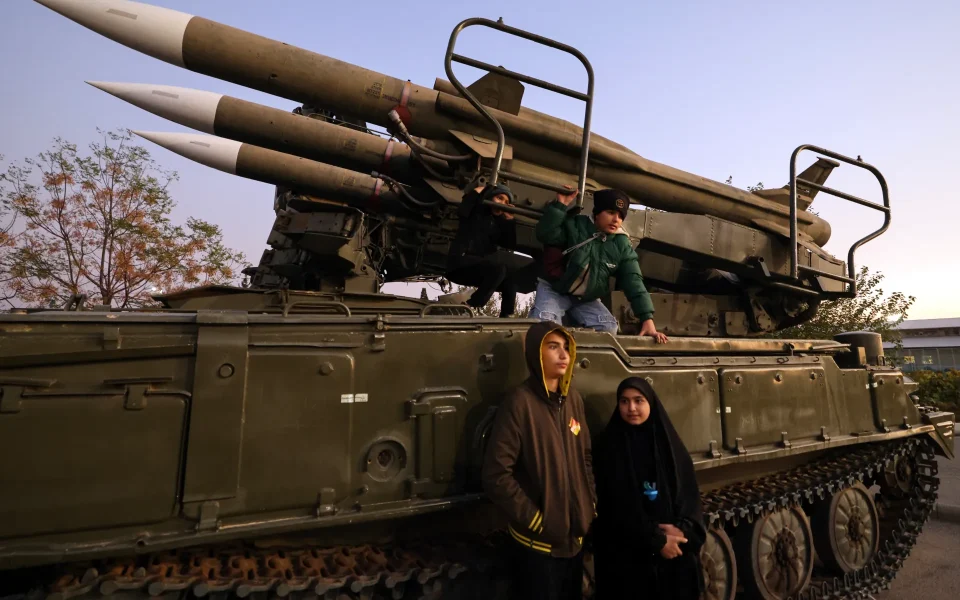
The Saudi-led coalition announced on Tuesday that it had successfully intercepted three ballistic missiles launched by Yemen’s Houthi rebels, intended for Riyadh, prompting a series of emergency alerts across the capital. The alerts, which were issued for the third consecutive night, were lifted shortly after the missiles were neutralised, officials said. The interception comes just two days after a Houthi strike hit the Public Investment Fund skyscraper, the tallest building in Saudi Arabia, underscoring a sharp escalation in the cross‑border hostilities that have intensified since the coalition’s recent airstrikes on Houthi‑controlled ports.
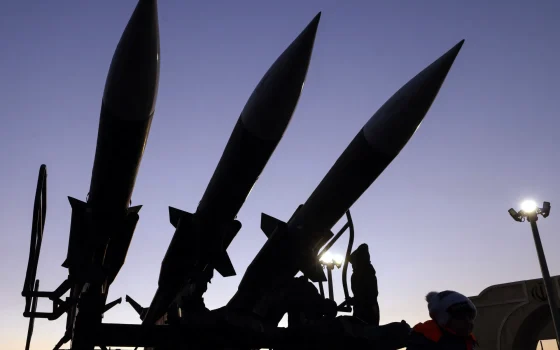
According to statements released by the Saudi coalition, the three missiles were detected as they entered Saudi airspace and were engaged by air‑defence systems before reaching any populated area. Military spokespersons confirmed that the missiles were ballistic in nature, a type commonly used by the Houthi movement in its campaign against Saudi targets. While the coalition did not disclose the exact time of the interception, the rapid issuance and subsequent removal of emergency alerts suggest that the response was swift and coordinated.

The incident follows a day of heightened activity in the region. Earlier on the same day, Saudi‑backed forces reported striking Houthi‑held Hodeidah port and the capital of Yemen, Sanaa. Those attacks were framed by the coalition as retaliation for Houthi aggression, which has included threats against a Saudi power station, Red Sea ports such as Jeddah, and the financial district of Riyadh. The coalition’s spokesperson said the recent airstrikes were aimed at degrading the Houthi’s capacity to launch further missile attacks and to protect critical infrastructure on both sides of the Red Sea.
Analysts note that the repeated emergency alerts in Riyadh signal a shift in how the Saudi government handles missile threats. Previously, alerts were rare and usually limited to specific districts. This time, the alerts covered the entire city, reflecting concerns that the Houthi missile programme has become more sophisticated. The use of ballistic missiles, which travel at higher speeds and can evade some detection systems, forces the coalition to maintain a heightened state of readiness. The swift neutralisation of the three missiles, however, demonstrates that Saudi air‑defence capabilities have adapted to the evolving threat.
Local residents described the alerts as unsettling but praised the quick resolution. “We heard the sirens, and for a few minutes the city went silent. When the alerts were lifted, we felt a sense of relief,” one businessman in the financial district told reporters. The incident also prompted a temporary halt to traffic in several key thoroughfares, as authorities sought to minimise any potential casualties should a missile have struck. No injuries or damage were reported from the intercepted missiles, and the coalition affirmed that there were no civilian casualties.
The Houthi movement, which controls large swathes of northern Yemen, has repeatedly claimed responsibility for missile attacks on Saudi Arabia as a response to what it describes as “aggression” by the Saudi-led coalition. Their statements have warned of further strikes against power infrastructure and maritime routes in the Red Sea, aiming to pressure Saudi Arabia and its allies. While the coalition’s recent strikes on Hodeidah and Sanaa were presented as a direct reaction to the missile threat, the broader conflict remains entrenched, with both sides accusing each other of violating cease‑fire agreements.
International observers have called for renewed diplomatic efforts to de‑escalate the hostilities. The United Nations has repeatedly urged both parties to return to negotiations, emphasizing the humanitarian toll of the ongoing war in Yemen. Yet, as the coalition continues to conduct air operations against Houthi positions, the likelihood of further missile exchanges appears high. The recent interception of the three missiles illustrates the volatile nature of the frontier between the two combatants, where each side closely monitors the other’s capabilities.
In the wake of the interception, Saudi officials indicated that they will maintain heightened alert levels in Riyadh for the foreseeable future. The Ministry of Interior said that emergency alert systems will remain active and that citizens should stay informed through official channels. Meanwhile, the coalition has pledged to continue its campaign against Houthi missile launch sites, asserting that it will not tolerate attacks on Saudi territory.
The next steps involve a combination of military and diplomatic measures. The coalition is expected to carry out further reconnaissance flights over Houthi‑held territories to identify launch sites, while diplomatic channels will be used to convey warnings to the Houthi leadership. Observers note that the success of these interceptions may influence future negotiations, as Saudi Arabia could leverage its defensive capabilities to push for a cease‑fire. For now, the focus remains on safeguarding Riyadh’s residents and preventing any escalation that could endanger civilian life.
As the situation develops, the Saudi coalition’s ability to intercept ballistic missiles will be closely watched by regional actors and international partners alike. The recent events show the precarious balance of power in the Red Sea corridor and the ongoing challenges faced by both sides in a conflict that has already caused significant loss of life and disruption across Yemen and Saudi Arabia.














Join the conversation