
Iran radar strike hits Bahrain, US assets targeted as Houthi attacks persist
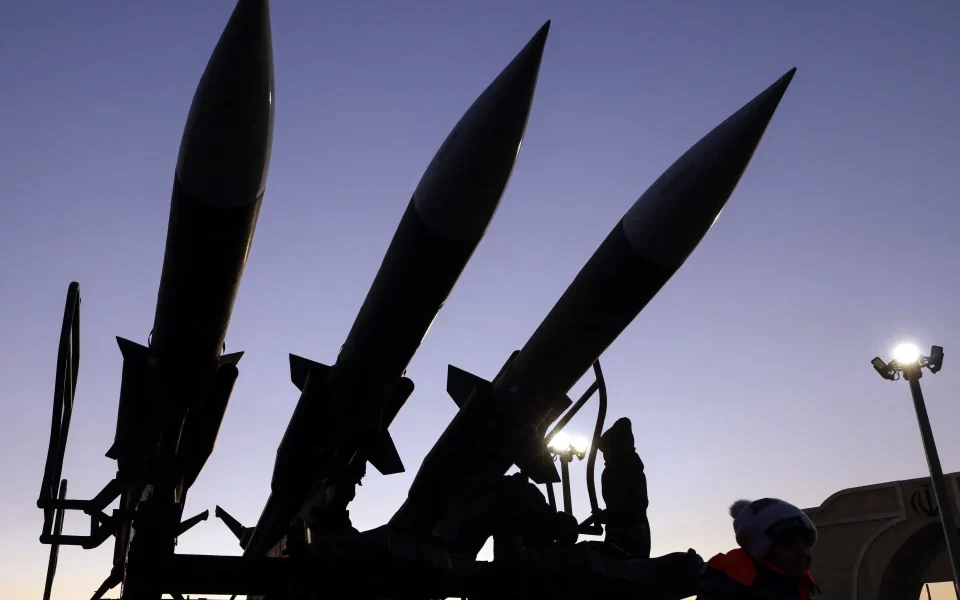
The Iranian Islamic Revolutionary Guard Corps announced an iran radar strike on Bahrain’s Al‑Rafa and Awali air bases on Monday, saying it had hit U.S. air defence radar systems. Bahraini officials confirmed that an industrial facility was also struck and condemned the attack, while the Houthi military continued its operations against Saudi Arabia, prompting a brief danger alert for the Mecca province that was later lifted. The developments come amid what Iran’s president described as a “silent economic war” against the United States, adding another flashpoint to the already volatile Gulf region.
The IRGC’s statement, released on 21 November 2026, claimed that its forces successfully targeted the two radar installations that protect U.S. interests in the Persian Gulf. According to the Iranian communiqué, the strike was precise and aimed at degrading the United States’ surveillance capabilities. Bahrain’s Ministry of Interior responded by issuing a statement that confirmed damage to an industrial site located near the air bases but stopped short of confirming any U.S. casualties. The ministry condemned the attack as a violation of Bahrain’s sovereignty and an act of aggression against the Gulf cooperation framework.

In a separate development, Houthi spokesman Yahya Saree addressed the Saudi alert that had been issued for the Mecca province earlier in the day. Saree asserted that there was “no threat to Mecca,” and the Saudi authorities lifted the danger warning moments after it was announced. The Houthi group, which is aligned with Iran, has been launching a series of missile and drone attacks on Saudi targets since the start of the year, seeking to pressure the kingdom over its involvement in the Yemen conflict. The latest statements suggest the group remains intent on maintaining its campaign, even as regional powers scramble to reinforce defensive measures.
Analysts note that the timing of the iran radar strike aligns with a broader pattern of Iranian retaliation against U.S. assets across the Gulf. Since the United States increased its naval presence in the region, Iran has stepped up its asymmetric warfare tactics, including the use of ballistic missiles and unmanned aerial systems. The targeting of radar installations is significant because it potentially hampers the United States’ ability to detect incoming threats, thereby altering the balance of power in the maritime domain. Moreover, the strike show Tehran’s willingness to extend its operations beyond its own borders, directly involving neighboring states like Bahrain.
Bahrain’s leadership, headed by King Hamad bin Isa Al Khalifa, has reiterated its commitment to the security of the Gulf Cooperation Council (GCC) and its partnership with the United States. In a press conference held later on Monday, the Bahraini foreign minister warned that any further aggression would be met with a coordinated response from GCC allies and the U.S. military. He also called for an urgent meeting of the GCC security council to discuss collective defensive strategies. The statement reflects long‑standing concerns among Gulf states that Iranian actions could destabilise the region’s fragile peace.
The United States has not yet released an official comment on the iran radar strike, but a senior Pentagon spokesperson told reporters that the U.S. remains vigilant and continues to monitor the situation closely. The spokesperson emphasized that U.S. forces in the Gulf have robust defensive systems and that any attack would be met with a proportional response. The lack of immediate retaliation, however, may indicate a cautious approach aimed at avoiding escalation while still signaling resolve.
The incident also raises questions about the effectiveness of existing regional security architectures. Since the 2015 joint declaration on Gulf security, member states have invested in shared radar networks and joint patrols, yet Iran’s ability to penetrate these defenses suggests gaps remain. Experts point to the need for improved electronic warfare capabilities and better coordination among the GCC’s air defence commands. Some suggest that increased U.S. involvement in joint training exercises could help bridge these shortcomings, though such moves may also provoke further Iranian pushback.
In the background, Iran’s president has framed the series of attacks as part of a “silent economic war” aimed at pressuring the United States over sanctions and perceived interference in Iranian domestic affairs. The rhetoric reflects a broader strategy to combine military and economic levers to achieve Tehran’s objectives. By striking U.S. assets in Bahrain, Iran signals that its campaign extends beyond symbolic gestures and seeks tangible impacts on American operational capacity.
Meanwhile, the Houthi attacks on Saudi Arabia, though not directly linked to the iran radar strike, contribute to an atmosphere of heightened alert across the Gulf. The temporary danger alert for Mecca, a city that draws millions of pilgrims each year, show the potential for civilian disruption. Saudi officials have urged citizens to remain calm and follow official guidance, while security forces continue to intercept suspected Houthi drones and missiles.
The international community is watching closely. The United Nations’ regional office for the Middle East has called for restraint on all sides and reiterated the importance of diplomatic channels to de‑escalate tensions. In a recent statement, the UN Secretary‑General urged Iran and the Houthi movement to cease hostile actions that threaten the safety of civilians and the stability of the region.
As the situation develops, the next steps are likely to involve diplomatic outreach from the United States and GCC members, possibly including a high‑level meeting in Riyadh or Manama to coordinate a unified response. Both the iran radar strike and the ongoing Houthi operations will shape future security calculations, with the potential to influence oil market stability and broader geopolitical alignments in the Persian Gulf.













Join the conversation