
Mauricio Pochettino United debut set against Liverpool as relegation looms
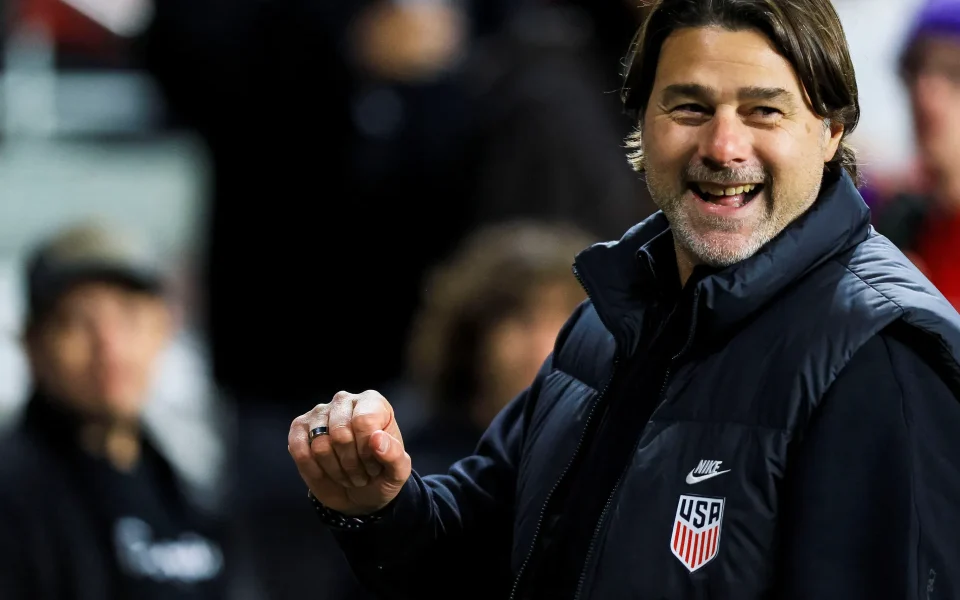
Mauricio Pochettino United take on Liverpool on Sunday, their first match under the Argentine manager and a crucial test as the Red Devils sit inside the Premier League relegation zone. The appointment makes Pochettino the third permanent boss in as many years, following Michael Carrick’s short‑lived spell. United’s season‑opening form is the worst since 1986, leaving them just one point above the bottom place and prompting urgent calls for a turnaround.
The press conference on Friday gave little hint of the danger looming over Old Trafford. When asked about the club’s dire position, Pochettino spoke of “identity, philosophy and the need to improve our players,” promising a fresh approach without mentioning relegation. He said, “We arrived with the idea to create something from scratch, with our own philosophy and how we like to work.” The manager added that the historic stature of Manchester United demands an “open‑minded” squad willing to buy into his ideas, a sentiment echoed by many supporters who fear another slide into the lower division.

United’s recent record adds weight to the urgency. The last time the club was relegated was in the 1973‑74 season, six years after lifting the European Cup, a triumph that still defines the club’s legacy. Since winning the Champions League in 2008, United have avoided the drop but have never reclaimed the league crown, which they last secured in 2013 under Sir Alex Ferguson. The financial picture is equally bleak; the Glazer‑owned side carries heavy debt, and despite Jim Ratcliffe’s INEOS investment, interest payments continue to strain the budget.
Tactically, Pochettino inherits a squad that has struggled to adapt to the uncomfortable 3‑4‑3 system imposed by Carrick’s predecessor, Ruben Amorim. The Argentine’s preferred 4‑2‑3‑1 formation, which he employed with the United States national team and during his Tottenham tenure, appears better suited to the available personnel. Yet the squad lacks depth in key areas. Striker Benjamin Sesko has been sidelined with injuries, leaving a void that has forced Cameroon forward Bryan Mbeumo to shoulder the goal‑scoring burden. Defensively, United have conceded 19 goals in the league, only two teams conceding more, while left‑back Luke Shaw’s intermittent availability has exposed a frailty that the club tried, unsuccessfully, to address by signing Newcastle’s Lewis Hall in the summer.
The upcoming Liverpool clash adds an extra layer of drama. Both clubs share the record for most English top‑flight titles, and the rivalry has intensified as United’s fortunes wane. A win at Anfield could provide a much‑needed morale boost and a potential springboard out of the relegation zone. However, the hostile atmosphere and Liverpool’s own ambitions mean the task will be far from easy. United’s fans, still reeling from a recent defeat to Leeds United, will be watching closely to see whether Pochettino can instill the resilience required for such high‑stakes encounters.
Looking ahead, the January transfer window offers a chance to plug the glaring holes in United’s roster. The club’s scouting department is reportedly eyeing a move for Newcastle defender Lewis Hall, whose recent performances for England suggest he could strengthen the left side. At the other end of the pitch, United need a proven striker to replace Sesko’s missing presence and convert the chances created by Mbeumo and others. Financial constraints mean any acquisition must be measured against the club’s debt load and the limited spending power that now lags behind rivals such as Liverpool, Manchester City and Arsenal.
Pochettino’s past successes provide a benchmark for what may be possible. His second‑place finish with Tottenham in 2017 remains the North London side’s best league result in over half a century, demonstrating his capacity to compete at the top of the table. Yet the pressure at Manchester United is amplified by the sheer number of managerial changes, nine permanent coaches in the past thirteen seasons, not counting interim appointments. Fans have historically been patient with managers, but recent unrest has turned toward players, indicating a dwindling tolerance for poor results.
The manager’s early comments on “philosophy” drew a brief chuckle from the assembled media, recalling the term’s fraught history during Louis van Gaal’s tenure. Pochettino’s acknowledgment of the club’s ingrained attacking identity and high‑pressing style suggests he intends to blend tradition with his own tactical preferences. Whether the owners will grant him sufficient time to implement these changes remains uncertain. The Glazer family’s commitment to stadium expansion and long‑term sustainability signals a strategic shift, yet the immediate need to halt the slide toward the bottom of the table may dominate short‑term decisions.
As the Red Devils prepare to step onto the Anfield turf, the season’s trajectory hangs in the balance. A positive result could restore some confidence and buy Pochettino valuable breathing room to reshape the squad. Conversely, another setback would deepen the club’s woes and intensify scrutiny of both the manager and the ownership’s long‑term plan. The next few weeks will reveal whether Mauricio Pochettino United can indeed reverse the current decline or whether the spectre of relegation will continue to haunt Old Trafford.











Join the conversation