
Nepal Cricket Fans Gather in Qatar to Cheer Team at Rising Star Asia Cup
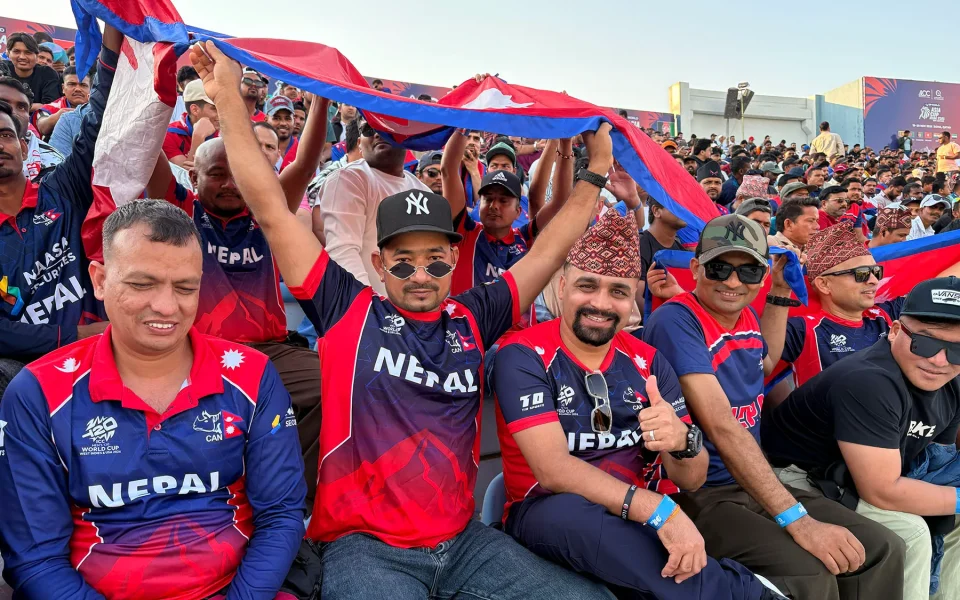
On a warm Friday afternoon, thousands of Nepal cricket fans filled Doha’s West End International Cricket Stadium to watch the national side face India A in the opening group match of the Asian Cricket Council’s Rising Star Asia Cup 2026. The venue, Qatar’s only international cricket ground, was awash with the triangular crimson and deep‑blue flags that identify the Himalayan nation, as supporters waved them high and sang along with every delivery. Though the match ended in a dominant 306‑run victory for India, the atmosphere remained electric, reflecting the community’s deepening connection to a sport that has risen dramatically over the past decade.
Qatar hosts the Gulf’s third‑largest Nepali diaspora, with at least 367,000 nationals living and working there, according to the Non‑Resident Nepali Association of Qatar. For many expatriates, the tournament offered a rare chance to see the Nepal team play outside its home country. Pradevent Kumar Yadav arrived with seven friends, all eager to experience the spectacle. “This is our first time watching Nepal play outside our country,” Yadav told Al Jazeera, describing the gathering as a mission to provide vociferous support. Their presence shows how cricket has become a unifying thread for Nepalis far from home, turning a simple match into a cultural celebration that blends sport with identity.

The ACC Rising Star Asia Cup, staged in Doha, brings together emerging cricketing nations to compete on a level playing field. While the tournament is aimed at developing talent, it also provides a platform for diaspora communities to rally behind their teams. In Qatar, the Nepal fans travelled from various districts, some arriving early to claim prime seats, underscoring how the sport now serves as a social hub for the community. The stadium’s stands were peppered with families, young professionals and retirees, all united by the sight of the Nepal flag fluttering alongside the roar of the crowd.
The Nepal cricket story began in earnest in 1996 when the nation became a member of the International Cricket Council and entered its first global tournament. A watershed moment arrived with qualification for the 2014 T20 World Cup, propelling the team onto the world stage. The rise of leg‑spinner Sandeep Lamichhane, who secured contracts in major T20 leagues, further amplified Nepal’s profile and inspired a new generation of fans. Back in Nepal, the sport has spread beyond Kathmandu into towns and villages, buoyed by grassroots initiatives aimed at building a sustainable cricketing infrastructure. Local clubs now operate with modest pitches, and school programs increasingly include cricket as part of physical education, reflecting a broader national embrace of the game.
For fans like Himmat Joshi, who watched the match from the Qatari stands, the team’s progress has sparked a noticeable surge in cricket’s popularity at home. “I feel a lot of happiness,” Joshi said. “In the past, fewer people followed it but it has grown over the years.” Similarly, Mohammad Zahoor, another supporter in the crowd, linked the team’s achievements to national pride. “There is a lot of pride in seeing Nepali cricketers represent the country. We are a passionate people,” he explained, adding that Nepal’s domestic system is increasingly capable of challenging higher‑ranked nations.
The aspirations of these supporters extend beyond the limited‑overs format. Many envision Nepal breaking into Test cricket, the longest and traditionally most prestigious form of the game. Zahoor expressed hope that a future victory over a Test‑playing nation would mark a key step toward that goal. He also highlighted the broader cultural impact, hoping cricket will sit alongside mountaineering in defining Nepal’s international identity. “Our expectations and hopes are that one day Nepali people are known for their cricket as they are known for their culture of mountaineering and Mount Everest,” he said.
Even as the Indian side dominated the innings, the crowd’s enthusiasm did not wane. The collective chanting, flag‑waving, and spirited cheering illustrated a community that finds meaning in the sport’s narrative of upward mobility. For Yadav and his friends, the experience was priceless simply because it allowed them to witness Nepal play on foreign soil. Others, like Zahoor, felt the match reinforced a growing presence in international cricket that promises to elevate the nation’s standing. The stadium’s packed stands and lively atmosphere served as proof of how far Nepal’s cricket journey has come and how far its supporters are willing to travel for each milestone.
The tournament’s schedule now moves forward with Nepal slated to face other emerging sides in the group stage. Each fixture will be closely followed by the diaspora in Qatar and by fans back home, who monitor live scores and social media updates from makeshift viewing parties. The ACC has confirmed that the remaining group games will be played over the next two weeks, giving Nepal ample opportunity to improve its ranking and to showcase the talent nurtured through its expanding domestic leagues. Organisers anticipate that the presence of enthusiastic crowds in Doha will add a vibrant backdrop to the competition, further encouraging young Nepalis to take up the sport.
As the Rising Star Asia Cup progresses, the story of Nepal’s cricketing ascent will continue to unfold both on the field and among its supporters scattered across the globe. The next matches will determine whether the team can translate the passion of its fans into wins that lift its international standing, while the diaspora’s unwavering backing promises to keep the flag flying high wherever Nepal plays.














Join the conversation