
Pope vote marks first time a pontiff casts ballot in U.S. election
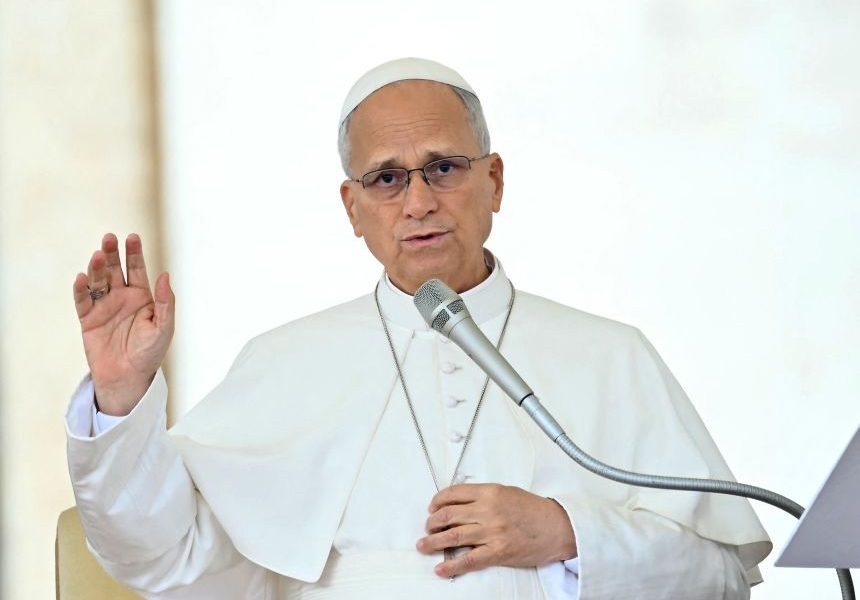
The Vatican confirmed on Friday that Pope Leo XIV, born Robert Francis Prevost in Chicago, became the first pope to exercise his right to vote in a United States election by mailing a ballot from his native Illinois ahead of the November midterms. The Holy See press office said the American‑born pontiff submitted the ballot as part of his long‑standing belief that citizens have both a right and a duty to take part in democratic processes.
The statement from the Vatican clarified that the mail‑in vote will cover the Senate, governor’s race, House of Representatives, as well as state and county contests in Illinois. While the exact candidates the pope selected remain private, the act itself carries symbolic weight, linking the spiritual leadership of the Catholic Church with the civic responsibilities of its followers.
Pope Leo XIV, who was Cardinal Robert Prevost before his election to the papacy in May 2025, holds dual citizenship in the United States and Peru. Vatican officials noted that his participation in U.S. elections is not new; voting records show he has cast ballots in several presidential and primary contests over the past two decades. Between 2000 and 2016, he voted in five Illinois primary elections, requesting Democratic ballots twice and Republican ballots three times. He also voted in the 2024 presidential election before ascending to the papacy.
The Holy Father’s decision to vote this time came after a period of convalescence. He was released from hospital care on October 17 following treatment for an undisclosed illness, and has since resumed his duties at the Vatican. The pope’s health update was part of a broader communication that also highlighted his upcoming trip to South America scheduled for next month, a journey that will be his first international visit since taking office.
Commentators in Washington noted that the pope’s mail‑in ballot arrives at a moment of heightened political engagement across the United States. Midterm elections traditionally see lower turnout than presidential contests, and civic leaders have been urging broader participation. By publicly acknowledging his vote, the pontiff adds a high‑profile endorsement of the democratic process, though he stopped short of commenting on any specific policy issues or candidates.
Cardinal Luis Antonio Tagle, the Vatican’s prefect of the Congregation for the Evangelization of Peoples, said the pope’s action reflects “a continuity of his personal commitment to the common good, a principle that the Church has always upheld.” Tagle added that the pope’s example may inspire Catholics worldwide to consider their own civic responsibilities, especially in regions where voter apathy is a concern.
The Vatican press office also reiterated the pope’s belief that “the right and the duty of citizens to participate in democratic processes” is a universal value. That language echoes earlier papal teachings that emphasize the importance of social justice, the common good, and the active role of the faithful in shaping societies. While the Church traditionally stays neutral on partisan politics, the pope’s personal vote show a broader theological stance that civic engagement is a moral imperative.
In Chicago, local officials welcomed the news. Chicago Mayor Brandon Johnson’s office released a brief statement noting that “the city is proud to see one of its own, now the leader of the Catholic Church, exercise his democratic right.” The mayor’s office said the gesture highlights the city’s diverse contributions to national life, from culture to faith leadership.
Political analysts cautioned against reading too much into the pope’s ballot as an endorsement of any party. “The pope is a private citizen when it comes to voting,” said Dr. Miriam Oduro, a political science professor at the University of Illinois. “His participation is consistent with his personal history, but it does not translate into a policy directive for the Church.”
The Vatican’s decision to disclose the pope’s vote was itself a departure from past practice. Historically, the personal political activities of popes have been kept low‑key, with the focus remaining on spiritual matters. By confirming the mail‑in ballot, the Holy See signaled a willingness to be more transparent about the personal civic actions of its leader, perhaps to reinforce the message that faith and public life are not mutually exclusive.
The pope’s dual citizenship also raises interesting diplomatic considerations. While the Vatican maintains its status as a sovereign entity, the pope’s American nationality gives him a unique perspective on transatlantic issues. Observers note that his background may influence how he addresses topics such as immigration, climate change, and economic inequality, all of which feature prominently in recent papal encyclicals.
Meanwhile, the South American trip slated for next month will be the first leg of the pope’s broader itinerary to reconnect with the global Catholic community after his election. Sources close to the Vatican say the itinerary includes visits to Brazil, Peru, and Colombia, countries with large Catholic populations and significant social challenges. The trip is expected to focus on themes of mercy, ecological stewardship, and solidarity with the poor, echoing the priorities set out in his earlier apostolic exhortations.
As the midterm ballots are counted in November, the pope’s vote will be tallied along with millions of others across the nation. No official confirmation of his ballot’s final status has been released, respecting the confidentiality of the voting process. The Vatican has indicated that it will monitor the election results but will not issue any statements linking the outcomes to the pope’s personal choice.
In the coming weeks, the Holy See is expected to issue a brief report on the pope’s health and his upcoming travel plans, confirming the schedule for the South American pilgrimage. Vatican officials have also hinted at a possible audience with U.S. President Joe Biden later in the year, a meeting that could address shared concerns such as religious freedom and global migration.
The historic “pope vote” thus sits at the intersection of personal faith, civic duty, and global leadership, offering a rare glimpse into how a religious figure navigates the responsibilities of citizenship while guiding a worldwide church. Whether the gesture will spur higher voter turnout or simply remain a symbolic act is a question that only time will answer, but the record now shows a pontiff who, like many ordinary citizens, placed a ballot in the mail and affirmed his role in the democratic fabric of his homeland.

Reporter at 03naija.com.

Join the conversation