
HIV advocate Chika Ekezie recounts stigma, treatment journey after November 2024 disclosure
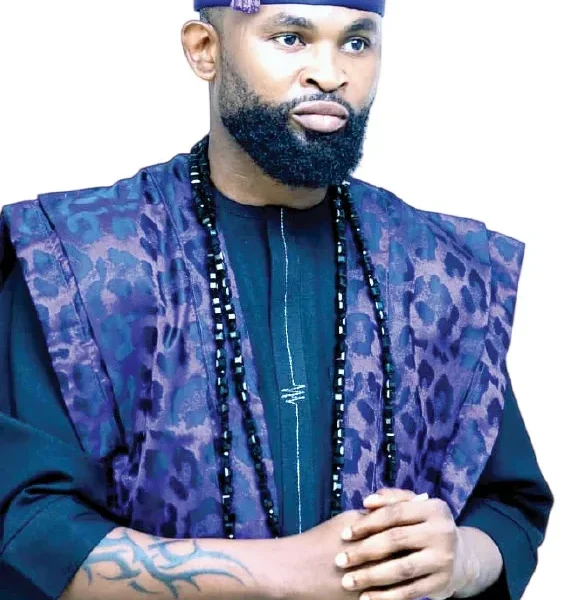
Chika Ekezie, a 35‑year‑old Imo State native living in Abuja, stepped into the public eye as a hiv advocate after revealing his status in November 2024. His confession came after seven years of self‑denial and a period of untreated infection that left him battling recurring fevers, night sweats, pneumonia and severe weight loss. Ekezie’s story, told to journalist Ayoola Olasupo, traces the moment he learned he was HIV positive, the shock of workplace and family rejection, and the role of antiretroviral therapy in restoring his health and confidence.
The diagnosis arrived at a Lagos hospital where the young man finally sought thorough medical advice instead of the quick relief he usually bought at a pharmacy. “I was careless because I ignored recurring illnesses,” he said, describing how repeated bouts of fever and fatigue had become routine until a doctor finally confirmed his HIV status. The revelation itself did not frighten him; he had long heard of the virus, though he admitted he did not fully understand its implications at the time. The real problem emerged when his employers at a magazine agency demanded proof of his health, paid for his tests, and then, after receiving his results, announced a sudden office renovation and asked him to leave. Within hours, the news of his status spread beyond the workplace, reaching his mother and church members before he could even board a night bus out of Lagos.
Ekezie’s brief tenure with the magazine lasted only a few months. The rapid dissemination of his health information exemplified the stigma that often follows a positive HIV result in Nigeria. He recounted how his mother’s congregation began avoiding her, how his brother’s shop lost customers, and how relatives treated him as a stranger. “The stigma was overwhelming. What I found difficult to deal with was not the virus itself but how people treated me because of it,” he explained. Even his church, a place he once found solace, became a source of discrimination, forcing him to stop attending services for a time.
Despite the isolation, Ekezie found a turning point after a hospital stay prompted him to watch a TikTok video that warned HIV can take five to eight years to progress to AIDS. The warning sparked a renewed urgency: “If I am going to die, let me not die empty,” he said, deciding to use whatever time remained to share his experience. He began posting on social media, offering accurate information about the virus, dispelling myths, and encouraging others to seek testing and treatment. A friend’s suggestion to start medication reinforced his resolve, and within a year of adhering to antiretroviral therapy, he became undetectable, a status where standard viral load tests cannot detect the virus, eliminating the risk of sexual transmission.
Treatment, Ekezie notes, is freely available in Nigeria and dramatically improved his physical appearance, allowing him to regain weight and healthier skin. The psychological relief of being undetectable, he says, has been as important as the physical benefits. “Knowing that I cannot sexually transmit HIV as long as I maintain an undetectable viral load gives me peace of mind,” he told Olasupo. His newfound health enabled him to speak openly, countering two pervasive misconceptions: that HIV is a death sentence and that a positive diagnosis signifies personal failure. He argues that images of frail, sick individuals perpetuate the false belief that all people living with HIV will deteriorate, while in reality, consistent treatment can sustain a normal, productive life.
Family reactions have shifted over time. While some relatives initially shunned him, a few have apologized and reconnected, though lingering ignorance remains. “There are still people, including some of my cousins, who do not understand that HIV cannot be transmitted through casual contact,” Ekezie said, highlighting the need for continued education. The church, too, has shown mixed responses; after a period of exclusion, some members have offered apologies, yet the stigma attached to the institution continues to affect many living with HIV.
Ekezie’s message to newly diagnosed individuals is unequivocal: the virus does not define their future. He urges them to start medication promptly, stay on treatment, and remember that they retain the capacity to achieve their aspirations. “Do not allow HIV to define your life. Take your medication, remain on treatment and allow yourself to live fully,” he advises. His own journey, from a period of denial to becoming a public advocate, illustrates the transformative power of early testing, accessible treatment, and community support.
As Ekezie continues to use media interviews and social platforms to challenge stigma, health officials in Nigeria stress the importance of scaling up testing and ensuring antiretroviral drugs remain freely available. The National Agency for the Control of AIDS (NACA) has repeatedly highlighted the need for public education campaigns to combat myths and encourage people to seek care without fear of discrimination. With advocates like Ekezie leading the conversation, the hope is that more Nigerians will view HIV as a manageable condition rather than a social death sentence.
The next step for Ekezie involves expanding his outreach to rural communities where misinformation is most entrenched. He plans to partner with local NGOs to conduct workshops, distribute educational materials, and facilitate testing drives. By sharing his own story, he aims to create a ripple effect that reduces stigma, improves treatment uptake, and ultimately saves lives across the country.

Reporter at 03naija.com.











Join the conversation