
Futile dedication novel explores tradition, education and personal ambition in Enugu
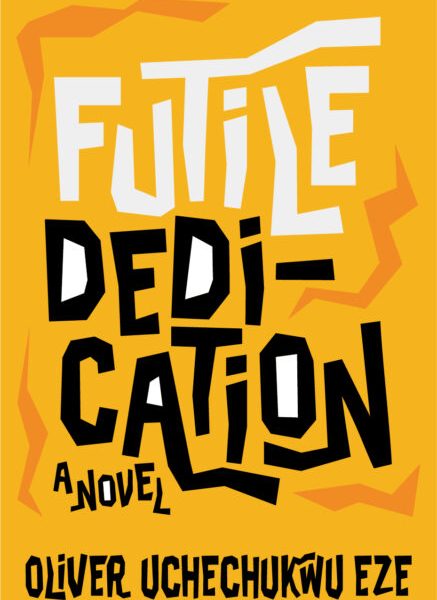
The novel Futile dedication by Oliver Uchechukwu Eze arrived on shelves earlier this year, drawing attention with its striking yellow cover and a title that immediately raises questions. Set in Enugu, the story opens with the birth of a baby named Ugwuja and quickly immerses readers in the rhythms of village life. Eze’s detailed description of traditional childbirth practices and local customs establishes a vivid backdrop for the narrative that follows. The opening scenes read like a Nollywood village epic, with enough sensory detail that a reader can almost hear the drumbeats and feel the humidity of a morning market.
Central to the plot are the lives of Chidinma, Ike and their younger brother Ugwuja, whose intertwined destinies illustrate the tension between long‑standing customs and the influx of Western education and Christianity. As the community grapples with new ideas, some characters voice resentment toward the “white man,” his religion and the schooling he brings, underscoring the uneasy balance between preserving heritage and embracing change. The novel does not present the clash as a simple binary; rather, it shows elders debating the merits of missionary schools while youths listen with a mixture of curiosity and skepticism.
Eze does not limit himself to a single theme; marriage, ambition, belonging, substance abuse, depression and even background checks surface throughout the book. This breadth of subjects sometimes diffuses focus, as readers are pulled from one issue to another before any single thread can fully develop. Yet the multiplicity of topics reflects the author’s intent to capture the complexity of contemporary rural society. In many Nigerian villages, families face a web of expectations, from arranging marriages that cement alliances to navigating the stigma attached to mental health struggles. By weaving these concerns together, Eze mirrors the lived reality of communities where no issue exists in isolation.
One of the novel’s strongest assets lies in its authentic portrayal of village dialogue. Eze peppers conversations with idioms and proverbs that give the characters a distinct local flavour, allowing readers unfamiliar with the culture to glimpse the wisdom embedded in everyday speech. A mother’s admonition that “the river does not rush, yet it reaches the sea” becomes a recurring motif, reminding characters and readers alike that patience often precedes achievement. These linguistic touches also reinforce the setting, making the village feel lived‑in rather than a generic backdrop.
The narrative gains momentum when the community invests in the education of twin siblings Chidinma and Ike, hoping their academic success will bring honour to the village. The plan appears straightforward: support the children through school, and they will become professionals who uplift their people. Yet the twins harbour their own aspirations, and the villagers soon confront disappointment as the youngsters pursue paths that diverge from communal expectations. Chidinma, for example, discovers a passion for medicine but feels torn between a lucrative hospital job in the city and the call of her hometown’s ailing clinic. Ike, meanwhile, is drawn to engineering but wrestles with a desire to join a local music troupe that his father disapproves of.
Through this subplot, Eze raises a question many families face: does financial or emotional investment in a child grant the donor the right to dictate the child’s future? The novel illustrates how gratitude can become a burden when young people are expected to fulfil others’ dreams, offering a nuanced look at the fine line between support and control. In the broader Nigerian context, such dilemmas are common as parents allocate scarce resources toward school fees, hoping the return will be a stable career that lifts the whole household out of poverty.
In contrast, Ugwuja’s trajectory offers an alternative vision of success. Rejecting formal education, he chooses to serve his community directly, eventually rising to the role of village king. His ascent challenges the notion that academic credentials and prestigious careers are the sole routes to respect and influence, reinforcing the idea that varied strengths can equally benefit society. Ugwuja’s leadership style draws on traditional dispute‑resolution methods, yet he also introduces modest improvements, such as organizing a cooperative market that helps farmers sell produce beyond the village borders. His story suggests that community‑based entrepreneurship can be as transformative as a university degree.
As the story unfolds, the villagers begin to accept certain aspects of Western influence while retaining core traditions. This gradual shift feels realistic, acknowledging that deep‑rooted beliefs evolve slowly rather than overnight. For instance, the village church begins to incorporate indigenous drum patterns into its worship, while elders still conduct annual rites that honour ancestral spirits. Eze’s depiction suggests that cultural adaptation can occur without total abandonment of heritage, an insight that resonates with readers aware of similar dynamics across Nigeria. The novel thus reflects a broader national conversation about how modernity and tradition can coexist in a country where over 250 ethnic groups each guard their own customs.
While the novel excels in cultural detail and thematic ambition, its expansive scope occasionally hampers narrative cohesion. Critics note that a tighter focus and a more resolved ending would have helped unify the many ideas presented, allowing the central message to land with greater impact. Some reviewers point to the abrupt transition from the twins’ university struggles to Ugwuja’s coronation as a moment where pacing falters. Nonetheless, the book succeeds in prompting reflection on how communities negotiate change and how individuals deal with expectations.
Futile dedication provides a compelling window into southeastern Nigerian village life, marrying vivid descriptions with probing questions about education, religion and personal ambition. Oliver Uchechukwu Eze’s storytelling invites readers to consider the myriad ways success can be defined, reminding them that freedom to choose one’s path remains essential amid collective hopes. The novel’s title, once deciphered as a reference to commitment that yields no worthwhile result, becomes a lens through which the reader can examine whether the characters’ sacrifices ultimately bear fruit.
The novel is currently available in major bookstores across the country, and author events are scheduled in Lagos and Abuja later this month, offering audiences a chance to discuss the themes directly with Eze. Publication houses anticipate continued interest as readers seek literature that captures both the richness of local culture and the universal challenges of generational transition. The upcoming talks are expected to feature panels on the role of education in rural development, echoing the very debates that drive the book’s plot.

Reporter at 03naija.com.












Join the conversation