
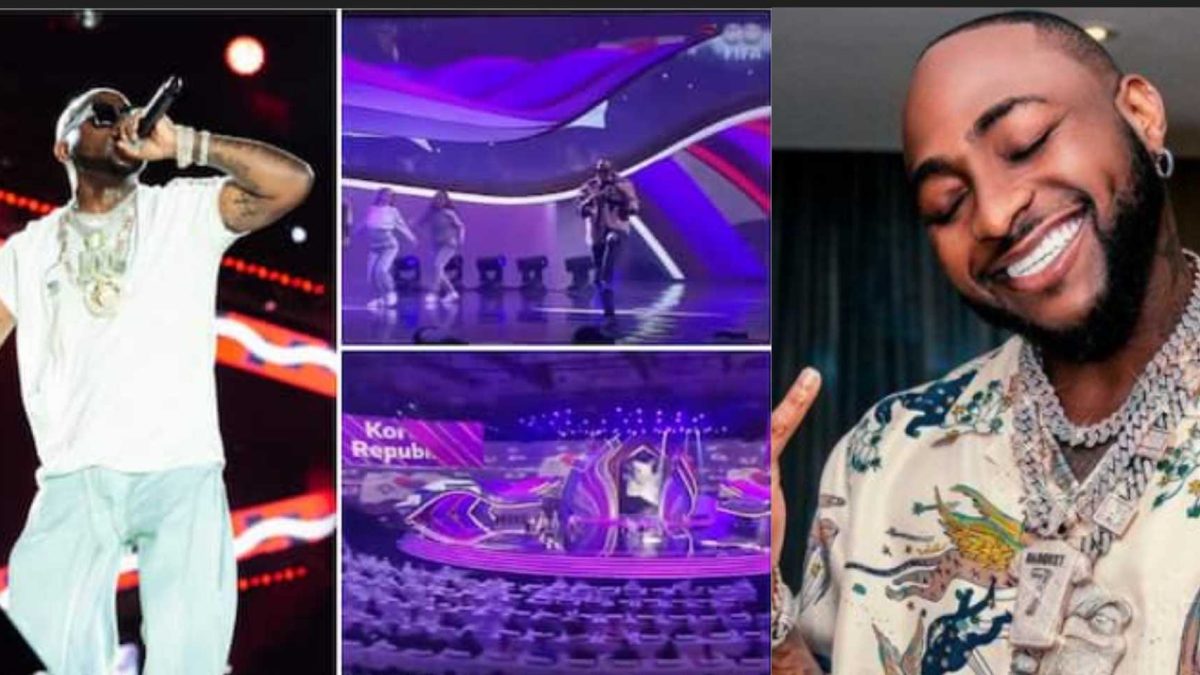
Nigerian afro‑pop star David Adeleke, popularly known as Davido, found himself at the centre of a fresh wave of music industry rivalry after his name appeared on the official soundtrack for the 2022 FIFA World Cup in Qatar. The placement, announced one day before the heated online exchanges began, was hailed by many as a landmark moment for a home‑grown artist on a global stage. Yet the reaction it provoked was far from unanimous applause. Instead, social media buzzed with accusations that other prominent Nigerian musicians stayed unusually quiet, prompting Davido to weigh in with a terse tweet that echoed the frustration of his supporters.
Davido embraces the friction
The conversation took a sharp turn when the singer himself decided to enter the fray online. He went on his Twitter handle to put out a short, blunt statement that echoed what his followers had been saying all along.
Davido wrote: “Me vs the Industry, I love it.”
His post immediately added fuel to the fire. It confirmed to his supporters that he noticed the perceived cold shoulder from his colleagues and was not bothered by it. For years, the Nigerian music space has seen heavy competition among top acts, where fans track chart positions, foreign features, and digital stream numbers like sporting events. The singer’s brief post showed he was fully aware of the divide and seemed comfortable standing apart from the rest of the pack.
Nigeria’s music scene has long been characterised by a mix of collaboration and rivalry. While joint tracks and shared performances are common, the industry also thrives on a competitive drive that pushes artists to out‑perform each other in streaming counts and award nominations. In this environment, public acknowledgements, likes, retweets, congratulatory messages, have become informal markers of respect. When an artist lands a high‑profile slot such as a World Cup soundtrack, many expect a chorus of congratulatory posts from peers, a tradition that reinforces a sense of collective national pride. Davido’s observation that his achievement seemed to attract silence rather than celebration struck a chord with fans who view such gestures as a barometer of industry camaraderie.
Fans raise complaints over missing congratulations
The reaction from his base was immediate and protective. Many of his supporters pointed out what they considered an unfair pattern of behaviour whenever the music star secures massive international deals.
One supporter summed up the feelings of the singer’s loyal fanbase in a widely shared post online. The fan wrote: “When other artistes achieve big things their colleagues congratulate them,when davido achieves big things only his fans and gang congratulate him,God is bigger than them sha ❤️.”
The post caught significant attention from casual observers and die‑hard supporters alike. It laid out a complaint that has simmered within the musician’s camp for a long time. According to the people backing him, his wins are often downplayed or met with silence by fellow performers, leaving only his core fan base and inner circle to celebrate his achievements publicly.
This sense of being sidelined is not unique to Davido. Fans of other Nigerian stars have, on occasion, expressed similar frustrations when they perceive a lack of peer acknowledgement. In a market where digital metrics dominate revenue streams, public endorsement can translate into streaming boosts and broader media coverage. Consequently, the perceived omission feels more than a social slight; it can be interpreted as a missed promotional opportunity.
The tension shows the intense nature of fan culture across the country today. Supporters frequently scrutinise the social media pages of major music stars, watching closely to see who likes a picture, who leaves a comment, and who shares a colleague’s promotional materials. When expected congratulatory messages do not appear, fans quickly interpret the silence as hostility or envy.
Tense exchanges trail the international milestone
Following the singer’s tweet, tense debates broke out across social media spaces as different groups exchanged strong words over the issue. Music followers with opposing loyalties pushed back against the complaints, while loyal fans of Davido continued to defend their position with fierce arguments.
The discussion over his World Cup soundtrack appearance reveals how fragmented the local entertainment community can become during major international breakthroughs. For many music enthusiasts, getting picked for a global sporting project like the tournament in Qatar ought to be celebrated across the board as a joint win for the entire country. Instead, the occasion turned into an arena for rivalry and long‑running professional grudges.
Observers noted that the debate also highlighted a broader pattern: the way Nigerian artists deal with global opportunities often mirrors the domestic market’s competitive spirit. While some peers may quietly applaud from the sidelines, others choose to make public statements, turning private success into public discourse. The split in reactions show how personal branding and fan expectations intersect in the digital age, where every tweet can become a headline.
The debates have continued to dominate timelines, with arguments running back and forth between those who back the singer’s stance and critics who think his followers are reading too much into ordinary industry conduct. Some commentators suggested that the silence might simply reflect a busy schedule or a strategic decision to let the achievement speak for itself, rather than an intentional snub. Others maintained that the lack of public acknowledgment is symptomatic of deeper fissures within the Nigerian music community, where competition sometimes eclipses camaraderie.
Despite the disagreement, Davido’s public embrace of the outsider tag shows he has settled into the dynamic, leaving his supporters and critics to argue over the situation as his World Cup track continues to make the rounds. As the song gains airplay on international platforms, the conversation in Nigeria is likely to persist, reminding observers that every high‑profile win can also become a flashpoint in the ongoing music industry rivalry.



Comments