
Church donation dispute sees member quit WhatsApp group after pastor asks for air‑conditioners
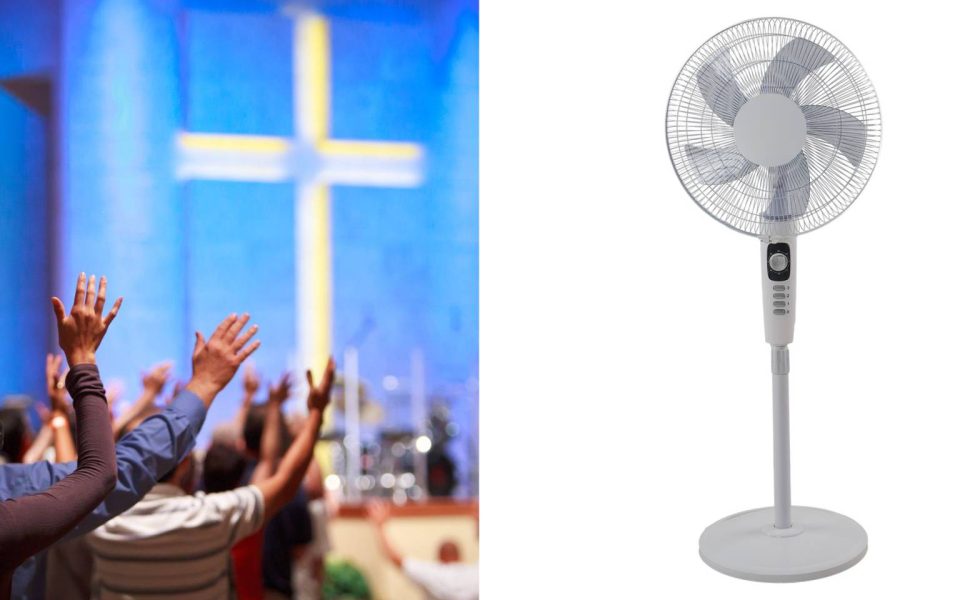
The story of a church donation quickly spread on X after a user known as @Mikeliberation posted an account of a member who walked out of his congregation’s WhatsApp group. The member had pledged ₦500,000 to buy ten standing fans for worshippers who were sweating through services, only to receive a reply from the pastor urging the purchase of air‑conditioners instead. The episode, shared in a brief online thread, has ignited conversation about expectations surrounding church donations and the use of congregational funds.
According to the post, the complainant had observed that the heat inside the sanctuary made many attendees uncomfortable, prompting them to fan themselves with handkerchiefs. In an effort to improve the worship environment, the member announced in the group that he would transfer the half‑million naira to the church’s account to fund ten standing fans. Other members reportedly responded with prayers, wishing God’s blessings on the generous gesture. The tone of the discussion was supportive until the pastor’s unexpected reply appeared.
The pastor’s message, as quoted by the X user, read: “Our church has outgrown fans. God said you are capable of providing air conditioners.” The comment shifted the conversation from gratitude to a demand for a more expensive appliance, prompting disbelief among the group’s participants. The post did not include any clarification from the church leadership about budget constraints or why fans were deemed insufficient, leaving readers to wonder about the decision‑making process behind such a request.
Following the pastor’s statement, the group reportedly fell silent for three weeks. No further discussion or clarification emerged during that period, according to the original poster. When activity finally resumed, the pastor posted another message: “We don’t serve a poor God. Give, and you shall receive.” This remark seemed to reinforce the earlier expectation that donors should aim for higher‑priced equipment, a stance that many observers found contentious.
The donor, feeling uneasy after the exchange, decided to leave the WhatsApp group the next morning. The departure was noted by @Mikeliberation, who highlighted the member’s exit as a reaction to the pastor’s insistence on a more costly donation. No further details were provided about whether the ₦500,000 was ever transferred or if the church proceeded with any purchase. The post concluded without additional comment from the pastor or other church officials.
The incident has resonated with Nigerians who regularly encounter similar dynamics in faith‑based communities. Churches often rely on voluntary contributions to maintain facilities, and donors sometimes feel pressure to give beyond their means. The phrase “We don’t serve a poor God” taps into a broader cultural narrative that equates generosity with spiritual favor, a sentiment that can both inspire and intimidate congregants. Critics argue that such messaging may blur the line between genuine charity and coercive fundraising.
Observers on social media have pointed out that the request for air‑conditioners, a significantly pricier item than standing fans, could place a heavy financial burden on a single donor. While the pastor’s intention might have been to improve the worship environment, the lack of transparency about the church’s actual needs and budget leaves room for speculation. Some commentators suggested that the church could have explored more modest solutions, such as installing fans gradually or seeking collective contributions.
The story also raises questions about the role of digital platforms in church administration. WhatsApp groups have become common spaces for communication among members, but the informal nature of the medium can blur formal financial processes. Without clear documentation or official channels, pledges and donations may be misunderstood, leading to miscommunication like the one described. Experts note that faith organisations often benefit from establishing dedicated fundraising platforms to avoid ambiguities inherent in chat‑based discussions.
In the broader context of Nigerian religious life, similar disputes over donations have surfaced in recent years. Churches of varying sizes sometimes announce ambitious building projects or equipment upgrades, prompting congregants to contribute sizable sums. While many donors view such contributions as acts of faith, others caution against unchecked expectations that could strain personal finances. The balance between communal improvement and individual capacity remains a delicate issue for religious leaders.
The post by @Mikeliberation has not attracted any official response from the church involved, leaving the matter unresolved in the public eye. No statement has been issued to clarify whether the ₦500,000 was ever received, how the funds would be allocated, or if the air‑conditioner request was a miscommunication. The silence may reflect a desire to avoid further public scrutiny or simply a lack of administrative follow‑up on the online platform.
As the story circulates online, it serves as a reminder for congregations to handle donations with clear guidelines and open dialogue. Church leaders are encouraged to articulate specific needs, outline budgets, and respect the generosity of members without imposing unrealistic expectations. For donors, the episode show the importance of confirming how contributions will be used before committing large sums, especially when communication occurs through informal channels.
The next step, according to the original post, remains uncertain. No further updates have been posted, and the member who left the group has not been heard from since. Whether the church will revisit its approach to fundraising or address the concerns raised by the incident is yet to be seen. The conversation continues to evolve as more Nigerians engage with the story, reflecting ongoing debates about faith, generosity, and accountability.















Join the conversation