
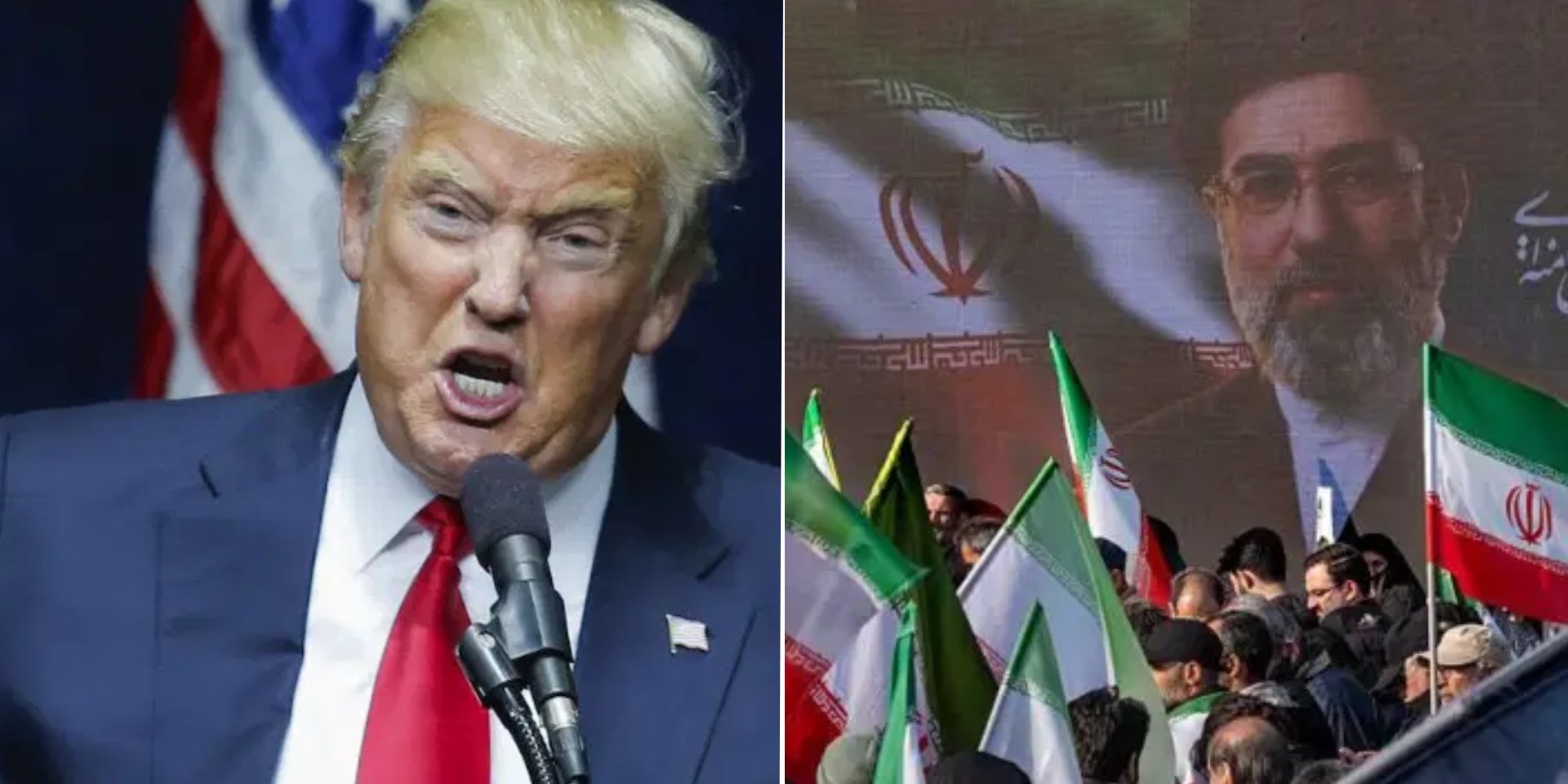
United States President Donald Trump has declared that he is not prepared to agree to any deal to end the ongoing war with Iran, insisting that while Tehran has signalled its willingness to negotiate a ceasefire, the conditions on the table do not yet meet the standard he is demanding — a position that has left global allies deeply unsettled and energy markets in a state of mounting panic.
In a wide-ranging telephone interview, Trump said he was unwilling to make a deal to end the war with Iran at this stage, stating plainly: “Iran wants to make a deal, and I don’t want to make it because the terms aren’t good enough yet.” NBC News He declined to specify what those terms would be, though he indicated that any agreement would require Iran to completely abandon its nuclear ambitions.
The war, which has now entered its third week, began on February 28, 2026, when the United States and Israel launched joint strikes on Iran, with missiles hitting multiple sites across the country. Iran responded by launching barrages of missiles at Israel and claiming attacks on US bases in Iraq and Kuwait. Al Jazeera What started as a targeted military operation has since spiralled into a widening regional conflict with consequences rippling far beyond the Middle East.
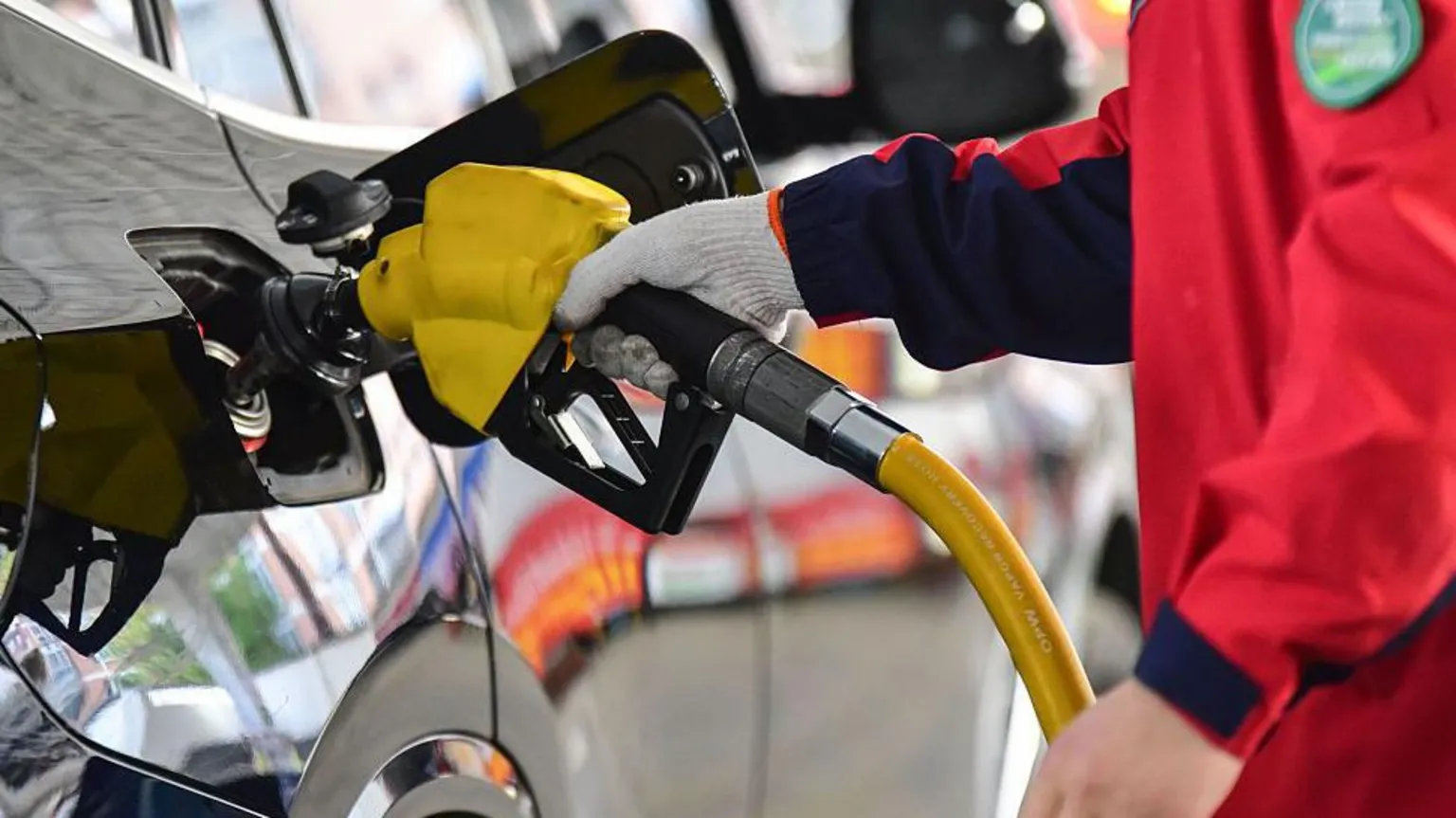
The conflict has brought shipping in the strategic Strait of Hormuz to a near standstill and upended energy markets globally. Bloomberg Iran’s new supreme leader doubled down on the pressure, announcing that the Strait of Hormuz will remain closed as long as the conflict continues — a declaration that has resulted in a major spike in oil and gas prices, stoking fears of widespread economic upheaval. The Hill Oil prices surged above $100 per barrel, sending shockwaves through financial markets worldwide and raising alarm among countries heavily dependent on Gulf crude.
In response, Trump announced on his Truth Social platform that many countries affected by Iran’s attempted closure of the Hormuz Strait would be sending warships, in conjunction with the United States, to keep the waterway open and safe — calling on China, France, Japan, South Korea, and the United Kingdom to contribute vessels to the effort. NBC News
The Trump administration’s messaging on the war’s objectives and likely end date has, however, been notably inconsistent. Officials have given sometimes conflicting explanations of the operation’s goals, with Trump initially saying the strikes constituted major combat operations likely over in four to five weeks, while also declaring the war already “won” and simultaneously saying the US still needs to “finish the job.” NBC News That lack of clarity has frustrated both domestic lawmakers and international allies seeking to understand what a path to peace actually looks like.
Inside the Oval Office, German Chancellor Friedrich Merz attempted to press Trump on how exactly he envisioned the war ending — but the answer, as it has been since the conflict began, was not entirely clear, according to a person familiar with the exchange. CNN
Trump on Saturday also said he had rebuffed efforts by allies in the Middle East to start diplomatic talks with Iran to end the war. Newsweek The lack of interest, however, appears to go both ways — Iranian sources cited in reports indicated that Tehran equally has no interest in broaching the subject of peace at this time, even as several countries make appeals to both sides. Newsweek
The humanitarian toll of the conflict is also drawing growing international condemnation. A report from the Office of the United Nations High Commissioner for Human Rights determined that the unprecedented scale of institutionalised repression in Iran may amount to crimes against humanity and will likely worsen as the war continues. Newsweek
For Nigeria and the rest of Africa, the implications of a prolonged conflict are significant. Surging global oil prices, while potentially offering short-term revenue gains for oil-producing nations, carry serious risks of inflation, rising fuel import costs, and supply chain disruptions for African economies that remain heavily dependent on imported refined petroleum products. The closure of the Strait of Hormuz — through which a substantial portion of the world’s crude oil passes — could, if sustained, trigger an energy crisis with consequences felt from Lagos to Nairobi.
Trump has predicted that oil prices will eventually drop and said the war will end “very soon,” while also threatening further military action if he deems it necessary and revealing that the US has not yet hit some of Iran’s most sensitive targets, including its electricity infrastructure. CNBC
With no ceasefire in sight, no diplomatic channel firmly open, and a president who has made clear he is in no rush to settle on terms he considers inadequate, the world watches and waits — as markets tremble, missiles fly, and one of the most consequential conflicts in recent Middle Eastern history continues to write its next chapter in real time.