
Plateau University Student Rescued After Abduction, Hospitalized
A 100‑level female plateau university student was rescued on Tuesday after being abducted from an off‑campus residence in Bokkos last Saturday night. The kidnapping took place in the university’s community within Bokkos Local Government Area, and a second individual was shot and wounded during the same assault. Acting Public Relations Officer Masara Kim confirmed the student’s release to journalists in Jos, saying she was left behind by her captors when security forces approached. The victim was subsequently taken to a hospital for medical examination and is now receiving care.
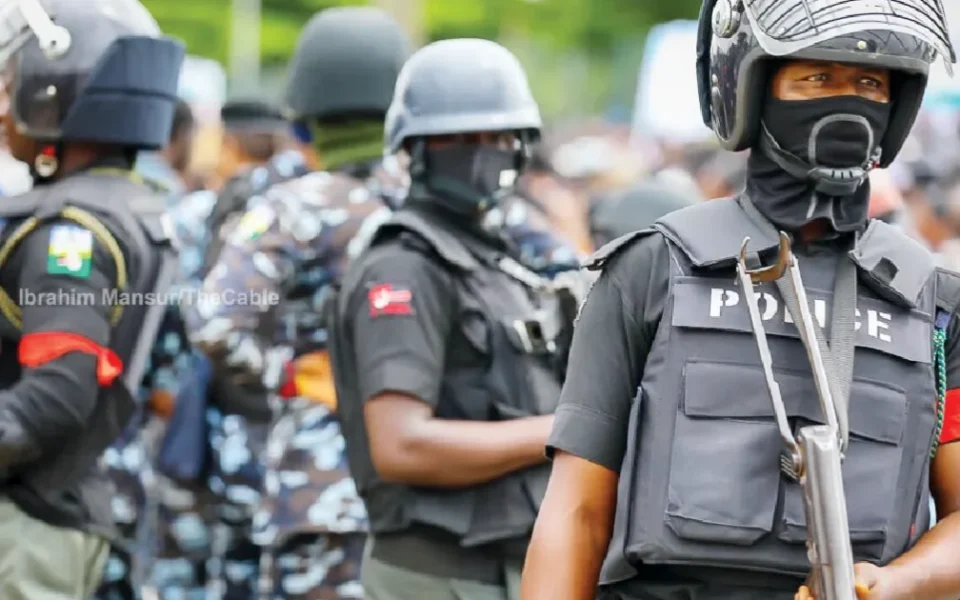
Kim explained that the university, together with a joint security team, launched an operation that forced the abductors to flee as soon as they saw the advancing forces. “She was abandoned by her captors after the university, in collaboration with a joint security team, launched an operation that forced them to flee on sighting the advancing team,” he told reporters. The quick response, according to Kim, compelled the kidnappers to abandon the student rather than risk a confrontation with the armed personnel.
The injured person who was shot during the same attack remains in the hospital, though details of their condition have not been disclosed. Authorities have not released the identity of the gunmen or their motives, but the incident adds to a pattern of insecurity that has affected higher‑education institutions across the country. The university’s swift coordination with security agencies reflects a broader effort to protect students and staff amid rising concerns about campus safety.
Higher education in Nigeria has increasingly become a target for violent crime, with kidnappings and armed raids making headlines in recent years. Universities often operate large residential complexes that blend student housing with local neighborhoods, creating environments where security gaps can be exploited. In Plateau State, the presence of armed groups has been reported in several districts, prompting state officials to prioritize joint operations between university security units and state police. The rescue of the plateau university student therefore fits into an ongoing strategy that seeks to demonstrate a rapid, coordinated response when threats emerge.
In the aftermath of the rescue, the university administration said it is working closely with law‑enforcement agencies to bolster security around the campus and its surrounding neighborhoods. Kim praised the prompt response of the security personnel, noting that their rapid deployment helped prevent a prolonged hostage situation. He added that the institution will continue to monitor the situation and implement additional safeguards to deter future attacks. Such measures may include increased patrols, the installation of surveillance equipment, and the establishment of a liaison office that allows students to report suspicious activity directly to security teams.
Police officials have not yet commented on the incident. The Plateau State Police Public Relations Officer, Alabo Alfred, had not responded to inquiries at the time of filing, leaving a gap in the official narrative. This silence has prompted calls from community leaders for greater transparency and accountability from both the police and security outfits operating in the region. Local civic groups argue that clearer communication can help rebuild confidence among families worried about their children’s safety while attending university away from home.
Local residents expressed relief at the student’s safe return but also voiced anxiety over the lingering threat of armed groups in the area. Some residents reported seeing armed men near the university in the days leading up to the kidnapping, a concern that show the need for ongoing vigilance. The university’s collaborative security effort is viewed by many as a positive step, though experts warn that sustainable peace will require long‑term strategies beyond immediate rescue operations. Security experts often stress that while quick interventions are essential, lasting stability also depends on addressing root causes such as unemployment, inadequate policing, and the proliferation of small arms in rural communities.
The incident arrives at a time when several Nigerian universities are grappling with similar security challenges, including kidnappings, armed raids, and protests. Educational authorities have repeatedly urged the federal and state governments to allocate more resources to campus security, emphasizing that the safety of students is essential for uninterrupted learning. The rescue of the plateau university student serves as a reminder of both the vulnerabilities faced by learners and the potential impact of coordinated security responses.
For many families, the news of a student’s abduction triggers a deep sense of alarm, especially when the victim is a first‑year scholar far from home. In Nigeria, a 100‑level student typically begins her tertiary education after completing secondary school, often staying in university hostels or nearby private rentals. The disruption caused by an abduction can affect not only the individual’s academic progress but also the broader perception of the institution’s ability to provide a safe learning environment.
As the rescued student remains under medical care, university officials say they will keep families informed about her progress. Further investigations are ongoing to identify the perpetrators and determine whether any broader criminal network is involved. The university has pledged to review its security protocols and work with community leaders to ensure a safer environment for all its members.
The next steps outlined by the university include a comprehensive security audit, the possible deployment of additional security personnel, and the establishment of a crisis response plan that can be activated swiftly in future incidents. Stakeholders hope that the lessons learned from this episode will inform policy at both the state and federal levels, leading to a more resilient framework for protecting students across Nigeria’s higher‑education sector.











Join the conversation