
Opay IPO Withdrawal Raises Regulatory Concerns for Nigeria Fintech
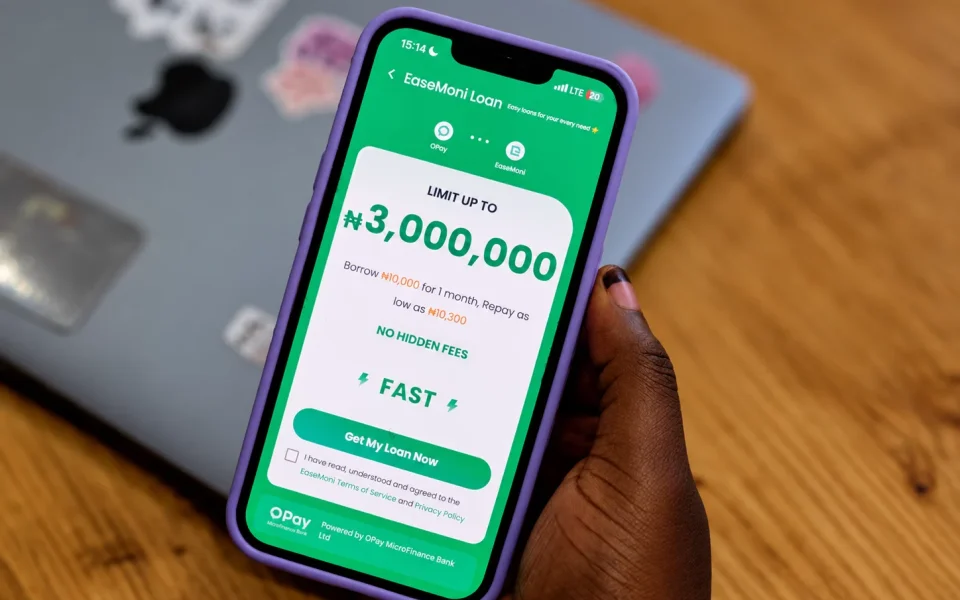
The abrupt cancellation of the opay ipo on Saturday sent a ripple through the investment community, coming just one day after the company had priced its American Depositary Shares at $19 each and signalled a valuation of roughly $4 billion. OPay, the Nigeria‑focused payments platform that serves more than 50 million users, said a regulatory inquiry in an undisclosed foreign jurisdiction forced it to pull the listing. The decision followed consultations with its underwriters, Citigroup, Deutsche Bank and Standard Bank, and left the planned debut on the New York Stock Exchange in limbo.
In a brief statement, OPay acknowledged the inquiry but did not name the regulator or specify the issue under investigation. The company described the matter as unrelated to its core business and indicated that the probe concerns a jurisdiction outside its primary market of Nigeria. Because the details remain scarce, investors have little basis for judging whether the problem is temporary or could have lasting implications for the fintech’s capital‑raising ambitions.
Had the offering gone ahead, it would have marked the first time a major Nigerian fintech listed American Depositary Shares (ADS) on a U.S. exchange. ADS are securities that represent ownership in a foreign company but trade on an American platform, allowing U.S. investors to gain exposure without dealing with the logistics of a local exchange. The $304 million offering, priced at $19 per share, was expected to draw a wide pool of international capital and to signal confidence in OPay’s growth trajectory.
The setback show how regulatory hurdles beyond a firm’s home market can derail access to public capital. Even though OPay enjoys backing from SoftBank and other high‑profile investors, those relationships did not shield it from a foreign inquiry that halted the offering. The episode also reflects the broader scrutiny that African technology firms face as they seek listings abroad, where compliance requirements are often more demanding and less transparent than in domestic markets.
Industry observers note that OPay’s withdrawal may affect how global investors view African fintechs. As one of the continent’s largest payment processors, OPay’s successful U.S. listing could have opened doors for other African startups to follow a similar path. With the valuation target now uncertain, potential investors will be watching for any further clarification from OPay or the unnamed regulator.
The company has not disclosed a timeline for resuming the IPO or for pursuing an alternative route to public markets. Analysts caution that the opacity surrounding the regulatory inquiry makes it difficult to assess the likelihood of a future listing. Some market participants speculate that OPay could explore a domestic offering on the Nigerian Stock Exchange, while others think the firm may wait until the foreign investigation concludes before attempting another U.S. debut.
Regulatory challenges are not new for Nigerian firms seeking overseas capital. Past listings have encountered hurdles related to anti‑money‑laundering rules, data‑protection standards and cross‑border tax compliance. OPay’s experience adds another layer, showing that even companies with strong domestic footprints can be vulnerable to external scrutiny.
The broader fintech landscape in Nigeria continues to expand despite the OPay episode. Competition among payment platforms remains fierce, with rivals adding services such as lending, insurance and e‑commerce. The market’s size, over 50 million users for OPay alone, means that capital is essential for scaling operations, investing in technology and meeting rising consumer demand.
For many Nigerian entrepreneurs, the allure of foreign listings lies in the deeper pools of capital and the prestige that come with a New York or London debut. Yet the path to those markets often requires adherence to stringent reporting standards, disclosure regimes and legal frameworks that differ markedly from those at home. Companies must deal with multiple jurisdictions, each with its own regulator, and any misstep can trigger an inquiry that stalls or even cancels a deal.
OPay’s leadership is likely to engage with the unnamed regulator to resolve the inquiry swiftly. A transparent response could restore investor confidence and reopen the path to a U.S. listing. In the meantime, the firm will continue to operate its payment services across the country, serving merchants and consumers who rely on its mobile wallet and point‑of‑sale solutions.
The next step for OPay will be to provide more detail on the nature of the foreign investigation and to outline any revised timelines for an IPO. Until then, market participants will monitor both the company’s announcements and any regulatory developments that could influence the broader push of African fintechs into international capital markets.













Join the conversation