
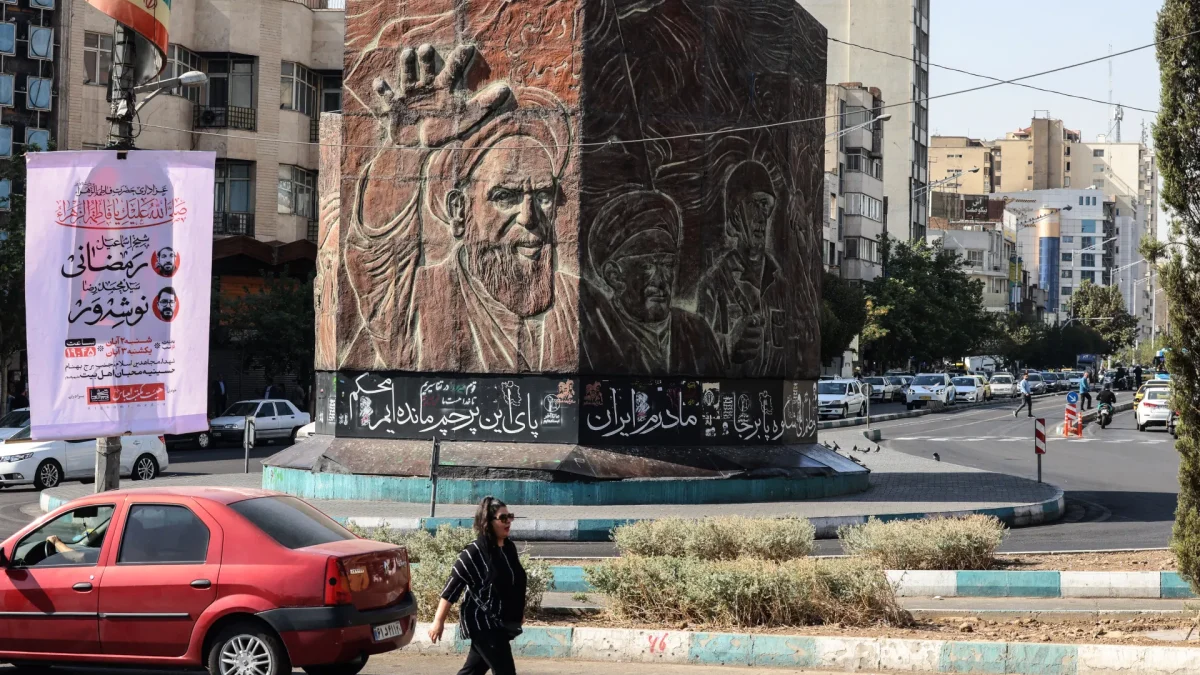
Iran’s president and top security official met senior representatives of the Mecca Alliance in Tehran on 27 October 2026, a day that also saw a vessel catch fire 63 nautical miles southeast of al‑Faw, Iraq, according to the United Kingdom Maritime Trade Operations (UKMTO). The gathering, which brought together officials from Saudi Arabia, Pakistan and Turkiye, was framed as a continuation of “Iran US talks” that Tehran says Washington has not taken seriously.
In a press briefing after the talks, Iran’s foreign ministry spokesman declared that the United States “is not serious about negotiations,” a statement that echoed Tehran’s long‑standing frustration over stalled diplomatic channels. The comment came as the UKMTO issued an alert about the blaze, noting that the fire‑hit vessel was still adrift and that crews were awaiting assistance. While the Iranian delegation emphasized a willingness to keep dialogue open, the incident at sea show the growing security volatility in the Gulf region.
The Mecca Alliance, a newly‑formed bloc comprising Saudi Arabia, Pakistan and Turkiye, has been seeking to position itself as a mediator in regional disputes. Their leaders met with President Ebrahim Raisi and the head of Iran’s security council, Ahmad Vahidi, in Tehran’s presidential palace. Both sides reported a “constructive” atmosphere and pledged to “continue talks and seek peace.” No concrete agreements were announced, but the dialogue was described as a step toward de‑escalation amid rising tensions between Tehran and Washington.
According to the UKMTO report, the vessel, a commercial cargo ship, ignited shortly after midnight local time. The fire was spotted by nearby fishing boats, which alerted authorities. Rescue teams from the Iraqi coast guard were dispatched, but the remote location and the intensity of the blaze delayed containment. No casualties have been reported, and the crew was evacuated safely. The incident has prompted calls for heightened maritime safety measures, especially as the Gulf remains a critical artery for global oil shipments.
Iranian officials linked the maritime incident to broader security concerns. In a statement, a senior member of Iran’s defense ministry warned that “unrest in the waters surrounding Iraq can easily spill over into the Persian Gulf, threatening regional stability.” The remark was not directly tied to the fire, but it reinforced Tehran’s narrative that external pressures are mounting. Meanwhile, the United States has not issued an official comment on either the accusations or the vessel fire, leaving analysts to speculate on Washington’s next move.
The Mecca Alliance’s involvement signals a shift in regional diplomacy. By bringing together three influential Muslim-majority nations, the alliance hopes to present a united front that can engage both Iran and the United States. Turkiye’s foreign minister, Mevlüt Çavuşoğlu, told reporters that “regional security cannot be achieved without inclusive dialogue that respects the sovereignty of all parties.” Saudi Arabia’s ambassador in Tehran, meanwhile, stressed the need for “mutual trust and concrete steps” to reduce the risk of accidental confrontations at sea.
Experts note that the timing of the talks is significant. Earlier this year, the United States imposed additional sanctions on Iranian oil exports, prompting Tehran to threaten retaliation. The “Iran US talks” have been intermittent, with previous rounds stalled over disagreements on nuclear inspections and regional proxy conflicts. Tehran’s accusation that Washington is “not serious” suggests a hardening stance that could complicate future negotiations.
Maritime security analysts also point out that the Gulf’s crowded shipping lanes make any incident, such as the vessel fire, a potential flashpoint. The area sees an estimated 20 million barrels of oil pass through daily, and even minor disruptions can ripple through global markets. The UKMTO’s alert urged commercial operators to reroute vessels away from the affected zone until the fire is fully extinguished. Local fishermen reported a lingering smell of fuel, and environmental groups warned of possible contamination of marine ecosystems if the blaze reaches the ship’s cargo holds.
In Nigeria, where oil imports from the Gulf constitute a substantial portion of the national energy mix, the developments are being watched closely. The Nigerian National Petroleum Corporation (NNPC) has reiterated that it monitors Gulf stability to safeguard supply chains. While the NNPC did not comment directly on the Iranian‑American dialogue, its spokesperson noted that “any escalation in the Gulf can affect crude prices and delivery schedules for Nigerian refineries.”
The broader geopolitical picture remains fluid. Washington continues to engage with regional partners, including Israel and Saudi Arabia, on security cooperation, while Tehran pursues diplomatic outreach to its neighbors. The Mecca Alliance’s meeting could serve as a conduit for back‑channel communication, but the lack of a clear roadmap leaves many questions unanswered.
As the fire on the vessel remains under control and the crew is safe, the UKMTO will continue to update shipping operators on the situation. Meanwhile, Iranian officials have scheduled a follow‑up session with the Mecca Alliance representatives later this month, aiming to “solidify the foundation for lasting peace.” Whether those talks will address the stalled “Iran US talks” or focus solely on regional security remains to be seen. The next steps will likely shape the diplomatic tone in the Gulf for the coming weeks.


Comments