
India’s Cockroach Movement Calls for Removal of Chief Election Commissioner
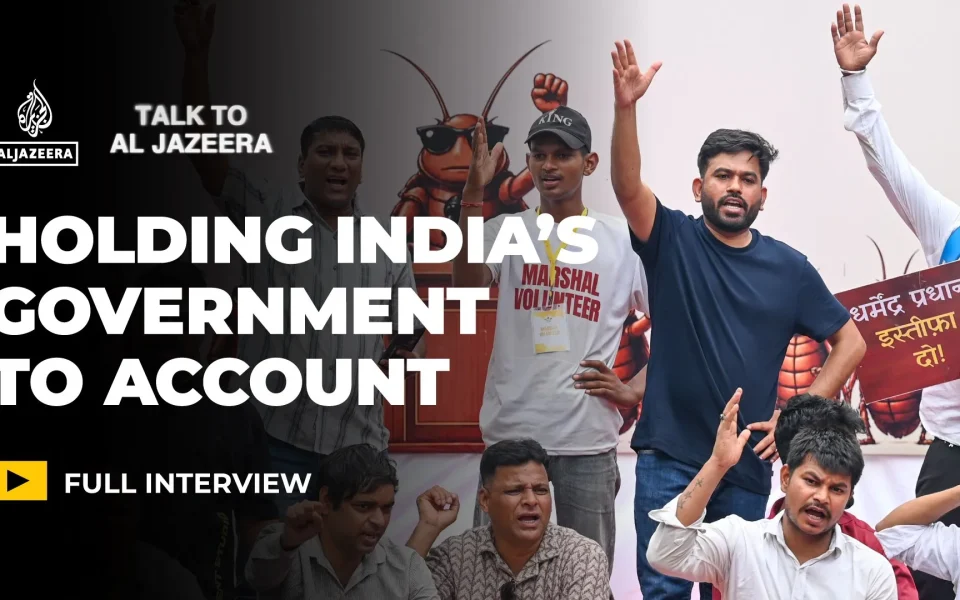
The cockroach movement, a rapidly growing youth‑led campaign in India, has turned its focus to the chief election commissioner, demanding his removal. Originating as an online satire collective, the group has evolved into a sizable political force that first entered the public eye in May, when it organised thousands of demonstrators against exam paper leaks, soaring living costs and pervasive unemployment. Within weeks of that protest, the education minister stepped down, a development the movement cited as evidence of its impact. Now, the same activists are alleging that the electoral body is tampering with voter rolls to favour Prime Minister Narendra Modi’s Bharatiya Janata Party, a charge the commission rejects.
The Cockroach Janta Party, as the movement styles itself, claims the election commission is deliberately keeping deceased, duplicate or otherwise ineligible voters on the rolls, skewing the democratic process. Officials from the commission counter that recent clean‑up efforts are intended to remove such entries, insisting no partisan agenda underlies their actions. The BJP, defending its governing record, has accused the protesters of sowing chaos and attempting to destabilise the nation’s democratic institutions. In response, movement spokesperson Dipke rejected the allegations, saying the group simply wants “better education, more job opportunities, free and fair elections, and for the government to stop ignoring young people.”

Dipke acknowledged the challenges the movement faces, noting that several of its leaders, including the guest speaker at a recent rally, have been detained by authorities. Despite these setbacks, he insisted the campaign remains undeterred, asserting that the demand for accountability extends beyond any single office holder. The activists argue that a transparent and impartial electoral system is essential for addressing the broader grievances that have sparked their mobilisation, from youth unemployment to the high cost of living that continues to burden ordinary citizens across the country.
Political analysts note that the cockroach movement’s rapid rise reflects a broader frustration among India’s young population, many of whom feel sidelined by traditional parties and governmental policies. While the movement’s origins lie in humor and satire, its transition into a serious advocacy group mirrors similar youth‑driven protests seen worldwide, where digital platforms amplify calls for reform. Observers point out that the removal of a chief election commissioner is an uncommon demand, highlighting the depth of mistrust some segments of the electorate hold toward the electoral apparatus. The government’s response will likely shape the movement’s future trajectory and test the resilience of India’s democratic structures.
India’s Election Commission, an autonomous constitutional body, is tasked with overseeing the conduct of elections at the national and state levels. Its mandate includes maintaining accurate voter lists, supervising the polling process and ensuring that elections are free from undue influence. Over the years, the commission has undertaken periodic clean‑up drives to delete names of deceased individuals and eliminate duplicate entries, a routine it describes as essential for preserving the integrity of the franchise. Critics, however, argue that such exercises can be manipulated if the criteria are applied unevenly, a concern that the cockroach movement has seized upon.
The movement’s earlier protest in May demonstrated its capacity to mobilise large numbers of young people on a single day. Demonstrators gathered in several cities, brandishing banners that highlighted the twin burdens of unaffordable education and a lack of decent jobs. The flashpoint of exam paper leaks struck a chord, as students across the country had been frustrated by perceived corruption in the examination system. The subsequent resignation of the education minister, announced weeks after the rally, was seized by the activists as proof that their pressure could translate into political consequences.
Since then, the cockroach movement has broadened its agenda. Its demands now encompass a spectrum that includes educational reform, employment generation, and the overhaul of electoral processes. The group’s use of the term “cockroach” is intended to convey resilience; just as the insect survives in difficult conditions, the activists say they will persist despite opposition. This branding has resonated on social media, where memes, videos and hashtags have amplified the movement’s messages beyond the streets.
The accusation that the election commission is retaining ineligible voters is anchored in claims that the rolls still list individuals who have died or are otherwise disqualified. The commission, for its part, has issued statements saying that recent efforts are aimed at removing exactly those entries, and that any remaining discrepancies are being addressed through a systematic verification process. It has also warned that attempts to disrupt the upcoming electoral timetable will be met with firm action, a stance intended to deter any interference that could jeopardise the scheduled polls.
The BJP’s response has been swift. Party spokespeople have characterised the protests as an attempt to create unrest, suggesting that the demonstrators are trying to undermine the democratic fabric of the nation. By framing the movement as a source of chaos, the ruling party seeks to position itself as the guardian of stability. This narrative clashes with the movement’s assertion that its goal is to foster a more accountable and inclusive political environment.
Despite the friction, the cockroach movement remains committed to a non‑violent approach. Organisers have announced a series of peaceful demonstrations slated for major urban centres, urging participants to adhere to legal protest guidelines while pressing for the chief election commissioner’s removal. The planned actions include sit‑ins at commission offices, symbolic “clean‑up” rallies that mirror the commission’s own voter‑list efforts, and public hearings where activists hope to present evidence of alleged malpractice.
In a tactical step, movement leaders plan to file a formal petition with the parliamentary oversight committee. The petition will call for an independent review of the chief election commissioner’s conduct and seek recommendations on how to safeguard the voter roll from partisan influence. Such a move is intended to move the debate from the streets into the legislative arena, where procedural safeguards can be invoked. If the committee agrees to a review, it could set a precedent for greater scrutiny of the commission’s operations.
The broader context of the movement show the challenges facing India’s youngest citizens. Unemployment rates among recent graduates remain high, while the cost of higher education continues to climb, putting pressure on families already coping with inflation. These economic pressures feed into a perception that the political establishment is out of touch. By linking electoral reform to these socioeconomic grievances, the cockroach movement attempts to broaden its appeal beyond a single‑issue protest.
As the protests continue, authorities remain vigilant. Police in several cities have increased monitoring of large gatherings and have issued advisories reminding demonstrators of the need to obtain permits. While no major incidents have been reported so far, the possibility of arrests, as experienced by some of the movement’s leaders, looms over the upcoming actions.
The next phase of the campaign will test both the endurance of the activists and the response of state institutions. Whether the petition to the parliamentary committee gains traction, and whether the commission’s clean‑up process can be demonstrated as impartial, will determine if the cockroach movement can translate its street energy into concrete institutional change. The outcome will also signal how India’s democratic mechanisms cope with a new generation of organised, digitally‑savvy dissent.











Join the conversation