
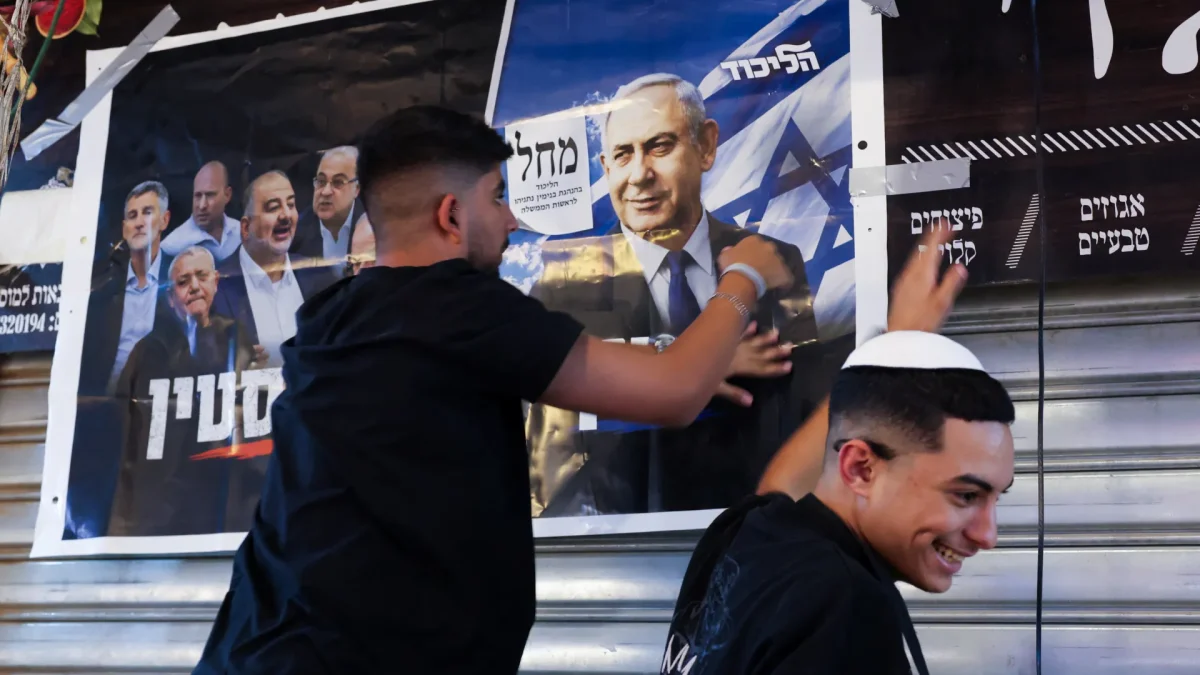
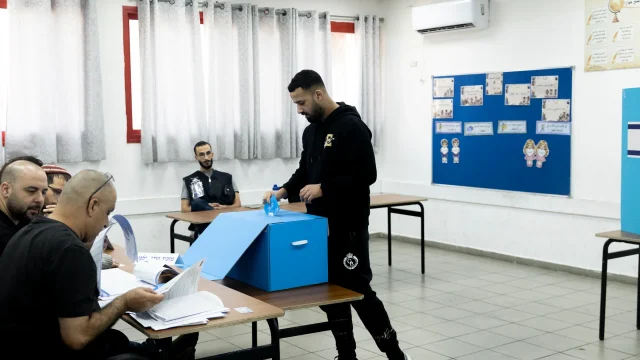
Millions of Israelis are heading to polling stations today to choose the 120 members of the Knesset in what officials describe as the most consequential Israel election in recent memory. The vote comes more than two years after the October 2023 outbreak of the war in Gaza, a conflict that has reshaped the country’s political landscape and intensified public debate over security, justice and the nation’s future direction. Prime Minister Benjamin Netanyahu’s Likud party, leading a coalition that includes several far‑right parties, will face a newly formed opposition bloc that brings together the centrist Yashar party and other groups united by a desire to curb the prime minister’s grip on power.
The ballot is being cast in a tense atmosphere, with security forces deployed across major cities and in smaller towns alike. Voter turnout is expected to be high; early estimates suggest that several million citizens will line up to cast their votes, reflecting the deep stakes many see in the outcome. For many, the election is not just about the usual policy disagreements but a referendum on Netanyahu’s handling of the Gaza war and his broader vision for Israel’s security and identity.
Netanyahu, who has served as prime minister for a total of fifteen years across multiple terms, has framed the election as a choice between “strength and stability” on one side and “dangerous fragmentation” on the other. In a televised address before the polls, he warned that a shift away from his government could embolden Israel’s enemies and undermine the nation’s ability to protect its citizens. He also highlighted his government’s record on economic recovery and diplomatic outreach, pointing to recent agreements with Arab states as evidence of his foreign‑policy success.
Opposition leaders, however, are presenting a starkly different narrative. Gadi Eisenkot, the former chief of staff of the Israel Defense Forces and now head of the Yashar party, told reporters that the country needs a new direction that balances security with accountability. He argued that the ongoing war has taken a heavy toll on civilian life and that the current coalition’s policies have deepened societal divisions. “We must move beyond a perpetual state of conflict and start rebuilding a society that respects all its citizens,” Eisenkot said, urging voters to consider a future that does not rely solely on military solutions.
The Yashar party, while led by a former military figure, positions itself as a centrist alternative that seeks to break the deadlock that has characterized Israeli politics since 2023. Alongside Yashar, smaller parties ranging from progressive social groups to right‑leaning nationalist outfits have joined forces in a broad opposition alliance. Their common goal is to prevent Netanyahu from securing another term, even if that means forming a coalition government with partners who differ on economic or security policy.
Analysts note that the election could produce a fragmented Knesset, a scenario that has become familiar in Israel’s recent parliamentary history. Since 2023, the country has held several elections that failed to yield a clear majority, leading to short‑lived governments and repeated calls for new votes. This time, however, the stakes are amplified by the ongoing humanitarian crisis in Gaza, international scrutiny, and a domestic electorate that is increasingly polarized along generational lines. Young voters, in particular, have shown a willingness to back parties that promise a break from the entrenched political elite, a trend that could reshape the composition of the new parliament.
Security concerns have also shaped the conduct of the election. The Israeli police have increased patrols in areas with known tensions, and the military has placed additional observers at polling stations near the Gaza border. While no major incidents have been reported so far, the presence of armed personnel show the reality that the war continues to cast a long shadow over everyday life. International observers from various diplomatic missions have been granted limited access to monitor the voting process, reflecting the global interest in how Israel navigates this critical juncture.
The outcome of the vote will determine not only who occupies the 120 seats in the Knesset but also the trajectory of Israel’s domestic and foreign policies for the coming years. If Netanyahu’s Likud‑led coalition retains a majority, it is likely to continue its hardline stance on security and maintain the current approach to the Gaza conflict, potentially extending the blockade and military operations that have drawn widespread condemnation. Conversely, a victory for the opposition bloc could lead to a re‑examination of Israel’s war strategy, opening the door to renewed negotiations and possible steps toward a ceasefire.
Economic considerations also loom large. Inflation, housing shortages, and rising living costs have been persistent concerns for many Israelis, especially younger families. The opposition promises to address these issues through reforms aimed at increasing affordable housing, expanding social welfare programs, and promoting technological innovation. Netanyahu’s government, meanwhile, points to a rebound in the tech sector and increased foreign investment as evidence that its policies are bearing fruit. Voters will have to weigh these competing claims against the backdrop of a war that has strained public finances and diverted resources away from civilian needs.
In the days ahead, both sides are preparing for the inevitable post‑election negotiations. Israel’s political system requires a coalition of parties that together hold at least 61 seats, meaning that even a party that wins the most votes may need to strike deals with rivals to form a stable government. Netanyahu has hinted that he is ready to engage with potential partners, but he has also warned that any coalition that does not share his security outlook would be untenable. Opposition leaders have expressed willingness to work with a range of parties, emphasizing a pragmatic approach to governance that prioritizes national unity over ideological purity.
As the polls close and votes are counted, the country awaits preliminary results that are expected to be announced late tonight. Early tallies will give an indication of which blocs are leading, but final numbers may take several days to certify fully. The international community, including the United Nations and several Western governments, has called for a transparent and peaceful transition, regardless of the outcome.
The next step will be the formation of a new government, a process that could extend for weeks if negotiations prove complex. Israelis watching from homes, cafés and public squares will be keen to see whether the election finally brings a decisive mandate or adds another chapter to the country’s recent cycle of political uncertainty.
The final vote count, expected later this evening, will set the stage for those negotiations and determine the direction Israel takes as it confronts the ongoing challenges of war, economic strain and societal division.

Comments