
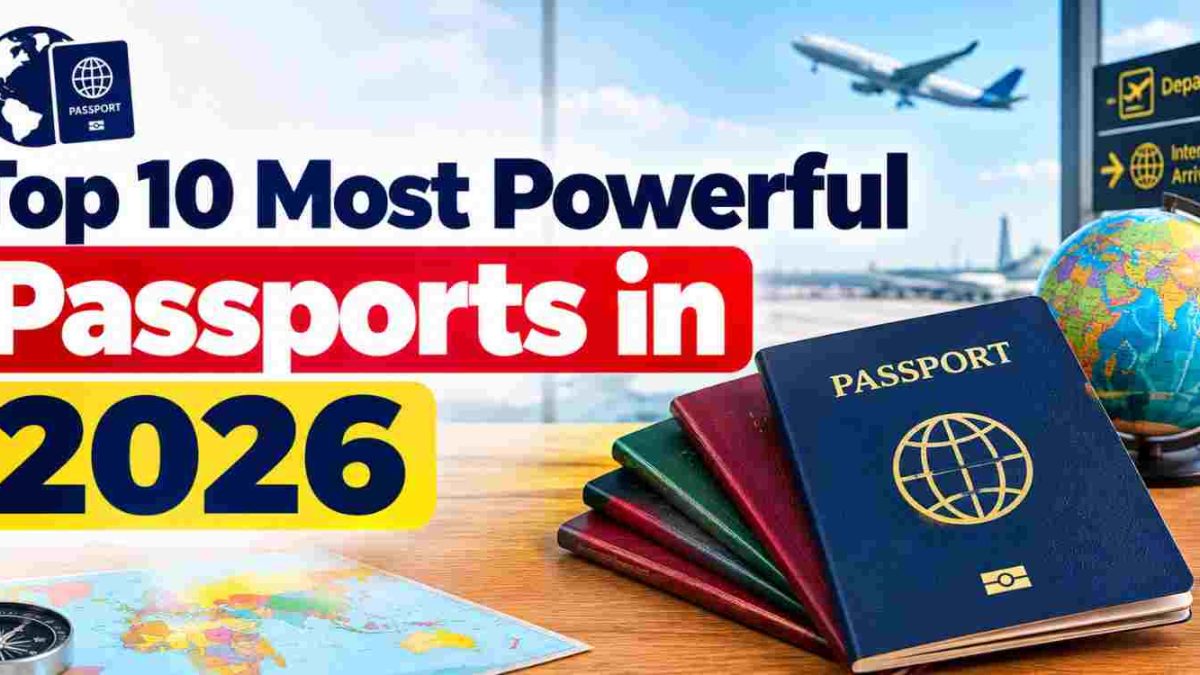
The United Arab Emirates passport has emerged as the UAE passport that tops the 2026 global passport rankings, according to the latest index that measures how many destinations a holder can enter without a prior visa. The ranking, released this October, shows Emirati citizens can travel visa‑free to 182 countries, edging out the next‑closest rivals. This development follows the annual assessment that gauges the mobility power of passports based on the number of nations offering visa‑free, visa‑on‑arrival or electronic travel authorisation to each holder.
The index places Singapore and Malaysia in a tie for second place, each allowing access to 175 destinations across Asia, Europe and beyond. Both nations have long invested in diplomatic outreach and reciprocal agreements that broaden travel freedom for their citizens. Their scores reflect a steady climb over recent years, but they still fall short of the UAE’s lead by three destinations.
Spain occupies the third slot, granting its passport holders entry to 174 countries and the additional right to live and work throughout the European Union. This EU advantage adds a layer of economic and social mobility that many non‑EU passports lack, reinforcing Spain’s strong position in the global hierarchy.
A sizeable group of nations shares fourth place, each offering visa‑free travel to 173 countries. The list includes Belgium, Luxembourg, France, Denmark, Germany, Sweden, the Netherlands, Finland, Italy, Switzerland, Greece, Portugal, Austria, Croatia, Norway, Ireland and Japan. Their collective performance show the benefits of being part of well‑established regional blocs and maintaining robust diplomatic networks.
The fifth tier comprises Malta, Slovenia, Poland, Slovakia, Hungary, Estonia, Latvia and South Korea, all with access to 172 destinations. These countries benefit from both European Union membership and strategic bilateral agreements that expand their citizens’ global reach.
Romania, the Czech Republic, Bulgaria and Lithuania tie for sixth place with 171 visa‑free destinations, again highlighting the mobility advantages enjoyed by EU members, who also retain the right to live and work across the bloc. Cyprus and the United Kingdom follow in seventh position, each offering access to 170 countries.
Canada, Liechtenstein and New Zealand rank eighth, providing their citizens with visa‑free entry to 169 nations. Their scores reflect strong diplomatic ties with a wide array of countries, as well as participation in multilateral travel programmes that simplify cross‑border movement.
Iceland and Australia share ninth place, each allowing travel to 168 destinations. Their high rankings are supported by stable political environments and proactive foreign‑policy strategies that facilitate reciprocal travel arrangements.
The United States rounds out the top ten, with its passport holders able to visit 167 countries without needing a visa in advance. This marks a slight decline of one spot from the previous year, though American citizens still enjoy broad global mobility and can reach most major destinations with minimal paperwork.
Beyond the elite group, the index shows a stark contrast for nations with more restricted travel freedom. India sits at 70th place, while Pakistan holds the 42nd spot but offers only 13 visa‑free destinations to its citizens. These limited numbers place both countries among the world’s most constrained passports, highlighting the significant disparity that a citizen’s country of birth can create in terms of international movement.
The widening gap between the top and bottom of the ranking illustrates how diplomatic relationships, economic strength and participation in regional unions shape passport power. For ordinary Nigerians, the index serves as a reminder that the ability to travel freely is often linked to a nation’s global standing and its engagement in bilateral and multilateral agreements.
Analysts note that the UAE’s ascent to the summit is tied to its aggressive foreign‑policy agenda, extensive investment in global infrastructure projects and a reputation for political stability. These factors have helped secure a broad network of visa‑free arrangements, reinforcing the emirate’s position as a hub for international business and tourism.
Looking ahead, the next edition of the passport index is expected later in 2027, with experts predicting that shifts in geopolitical alliances and emerging travel technologies could reshuffle the rankings. Countries aiming to improve their scores are likely to pursue new visa‑waiver deals and deepen participation in regional economic communities.
For now, the UAE passport remains the most powerful travel document of 2026, granting its holders unparalleled access to the world’s destinations. The latest figures set the stage for ongoing competition among nations seeking to enhance the mobility of their citizens.

Comments